
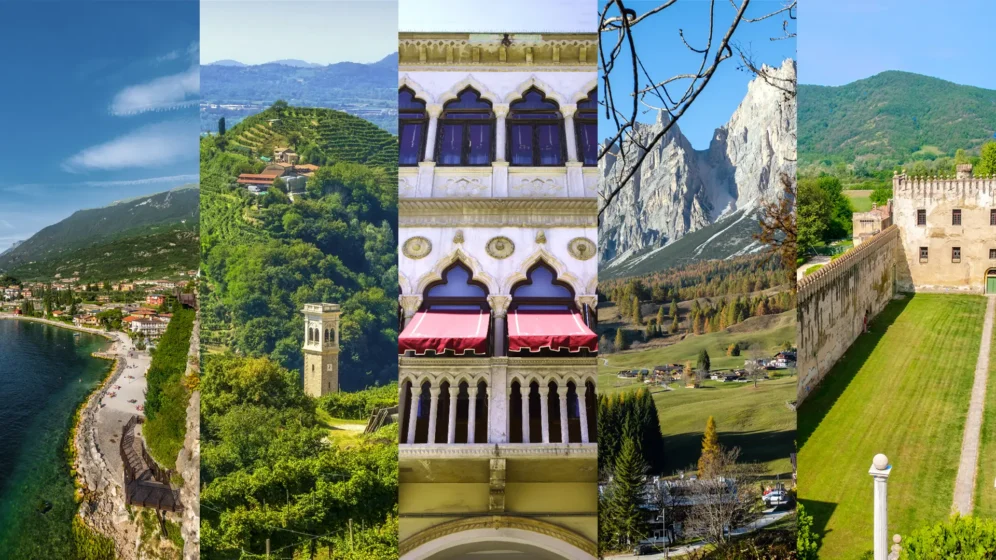
Veneto has been included among the 25 destinations featured in “Best in Travel 2027”, the renowned Lonely Planet guide that selects destinations and experiences worth discovering around the world every year.
The message is clear: if Venice is the gateway, the rest of the region offers countless authentic discoveries as well. Padua lies at the crossroads of remarkable sights, fascinating curiosities and diverse landscapes.

Lonely Planet’s description perfectly captures the spirit behind this recognition:
“Beyond Venice, there is an entire Veneto region waiting to be discovered: a surprisingly diverse area where nature, culture and food and wine traditions coexist in a territory rich in history and beauty.”
This is precisely the Veneto that Lonely Planet encourages visitors to explore: a region of art cities, small villages, mountains, hills, lagoons, nature parks and excellent gastronomic products.
One question our guests often ask is how they can visit all these places without packing their bags every night. Our answer is always the same: start from Padua. Here’s why.
- Lonely Planet and a Veneto waiting to be discovered besides Venice
- Why choose Padua as your base: trains, distances and travel pace
- Six day trips from Padua, recommended by locals
- Food and wine in Veneto: where we like eating
- Craft workshops we recommend to our guests
- Returning in the evening: make Padua your home while exploring Veneto
Lonely Planet and a Veneto waiting to be discovered besides Venice
When people think of Veneto, they always think of Venice. Yet the region has so much to offer beyond the “calli“ and canals of this wonderful city.
Veneto has got nine UNESCO World Heritage Sites and a truely surprising variety of landscapes.
From the Dolomites to the Prosecco Hills, from medieval villages to art cities, and from historic villas to the enchanting atmosphere of the lagoons, the region offers a rich heritage of nature, art, history and traditions. This diversity makes it possible to plan very different types of itineraries.
Lonely Planet’s recognition points at a less crowded and more authentic Veneto, with destinations away from the routes of mass tourism.
Why choose Padua as your base: trains, distances and travel pace
Padua enjoys a strategic position in the heart of Veneto and is well connected to many of the region’s most interesting destinations. You can spend one day exploring the city and the next visiting the Euganean Hills, the Brenta Riviera, Chioggia or Bassano del Grappa. Or, you can plan a longer trip to the Prosecco Hills or the Dolomites.
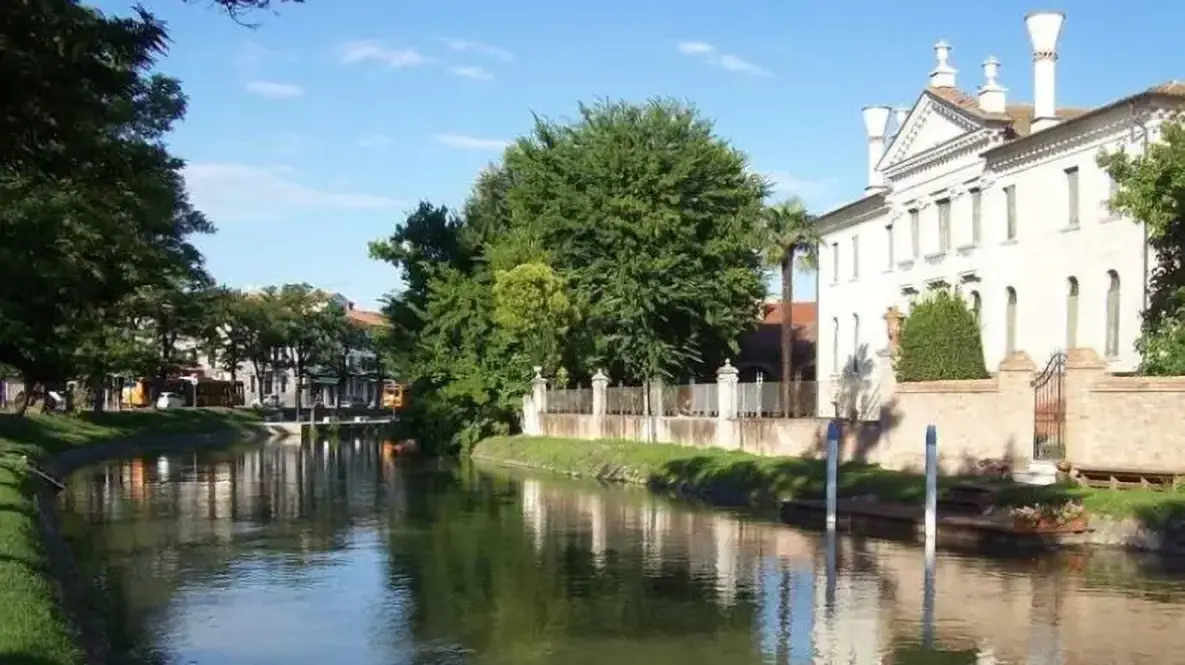
Lonely Planet’s own proposal starts from the Brenta Riviera, with its historic villas overlooking the Naviglio canal, and then continues towards Padua and its landmark sites.
Among them are the Basilica of Saint Anthony, Prato della Valle and the Botanical Garden, three places that perfectly capture the city’s historical and cultural richness.
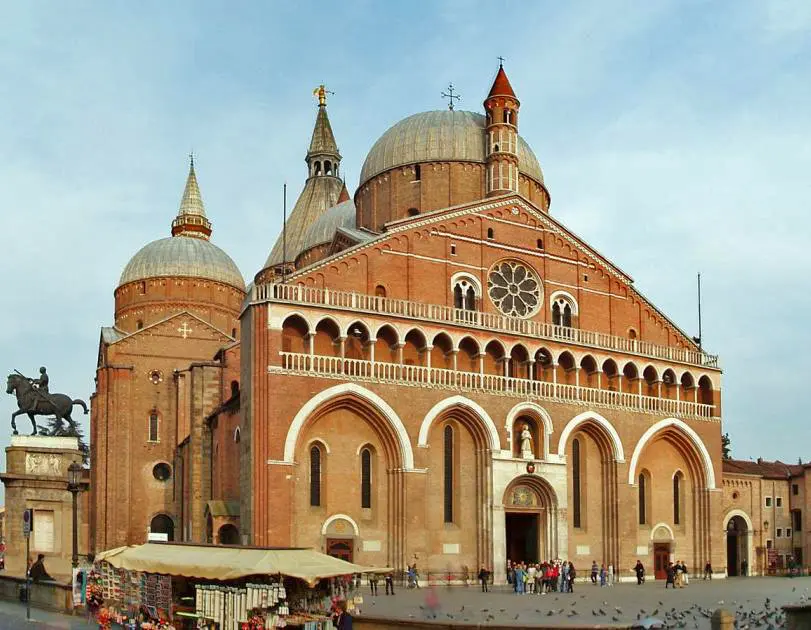
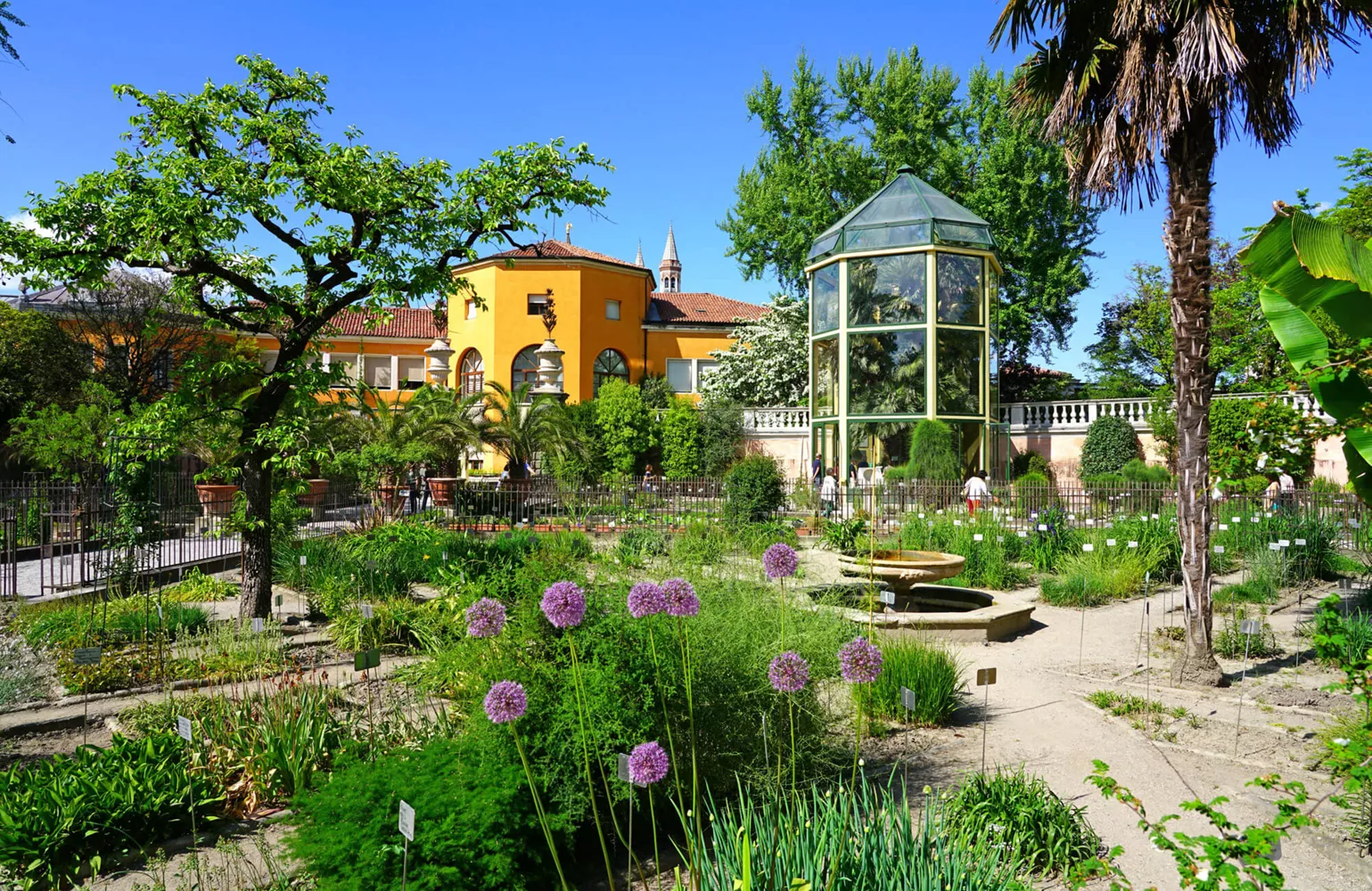
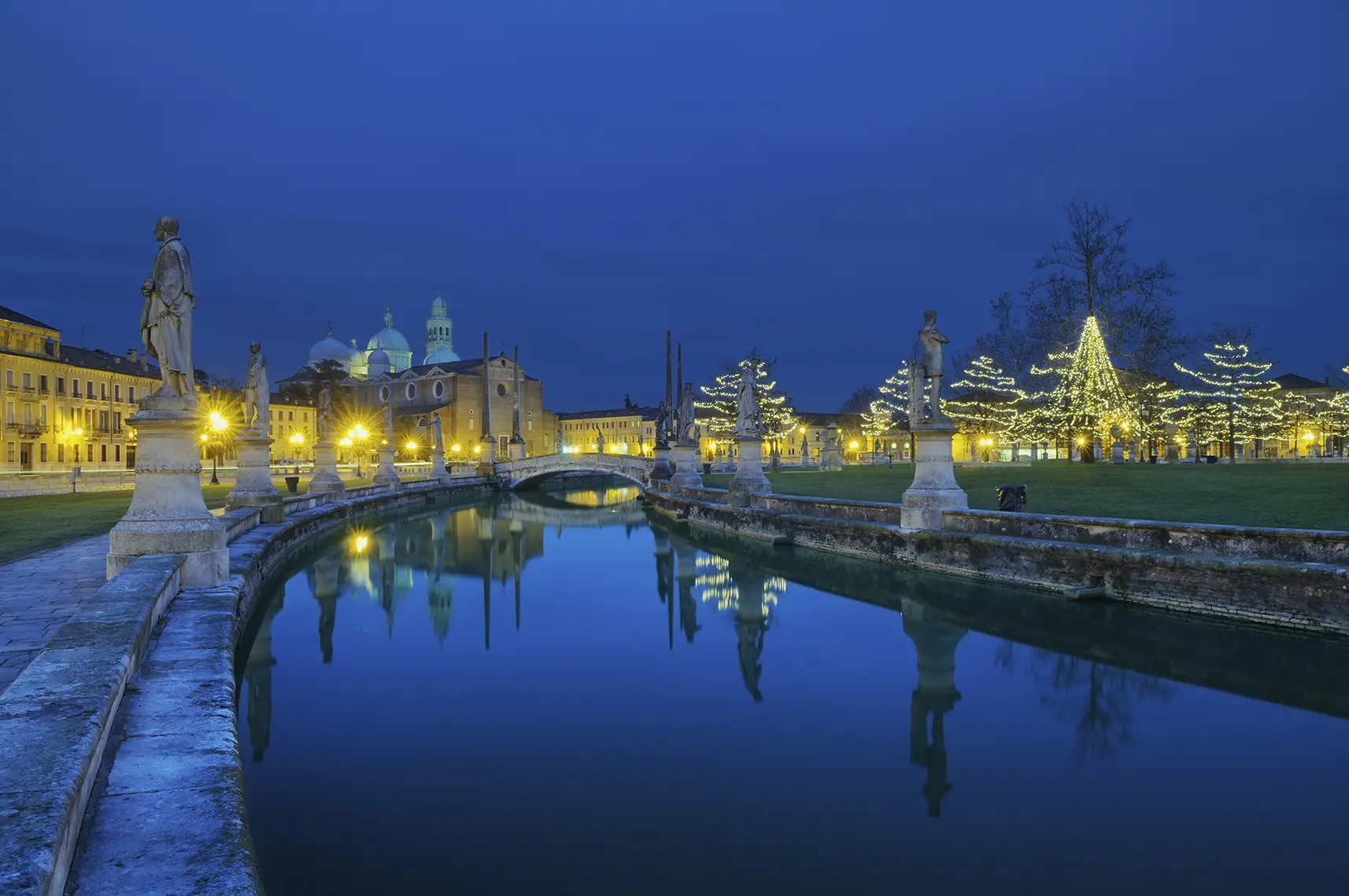
From Padua, you can then choose several directions: art cities, villages, hills, mountains and natural landscapes.
Six day trips from Padua, recommended by locals
Here are some ideas for day trips that will take you to very different landscapes and destinations, many in less than an hour and others with a little more travelling time.
Chioggia and the sea at Sottomarina
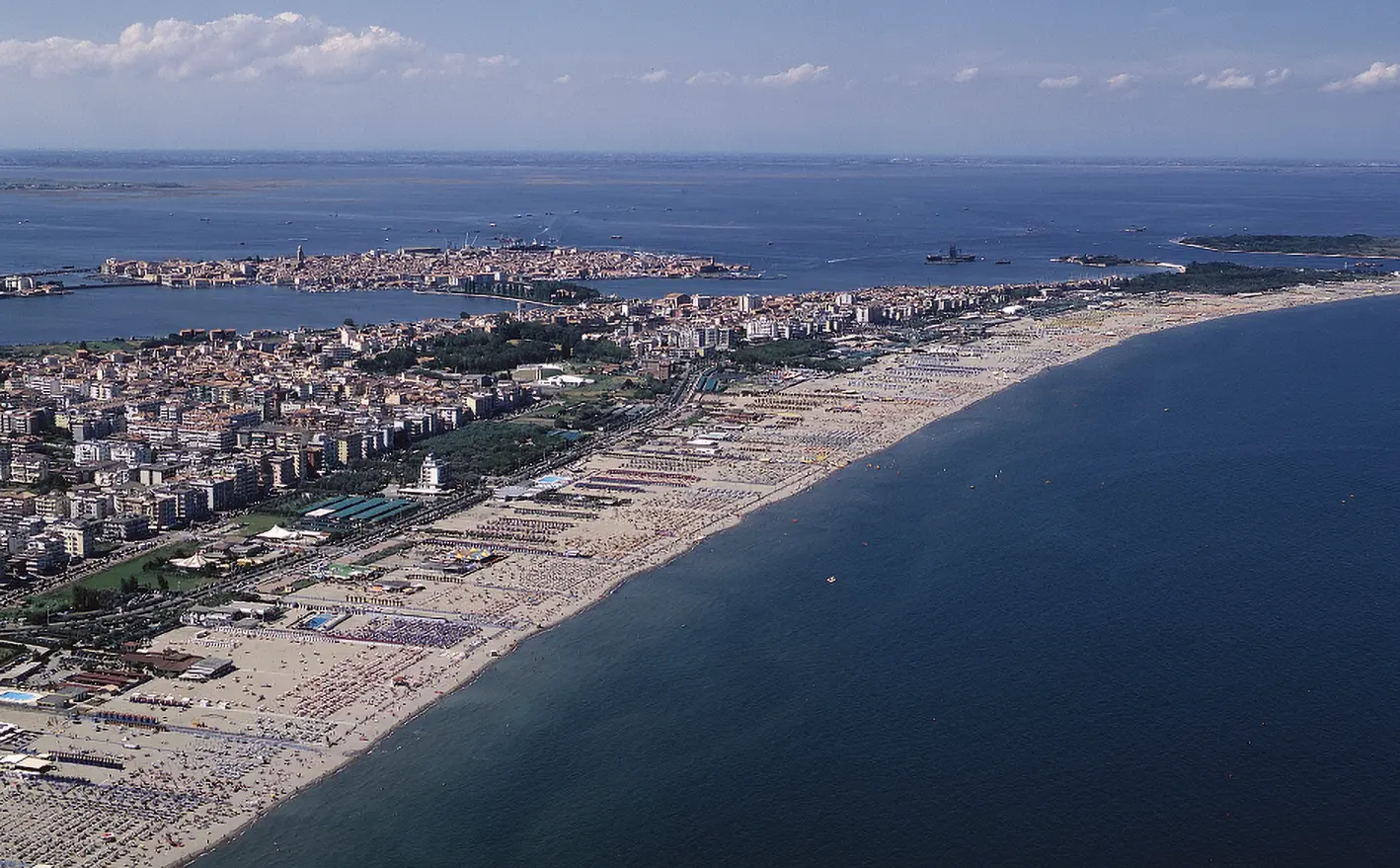
If you feel like the seaside, you can easily reach Sottomarina from Padua, with its six kilometers of fine, golden sand beach.
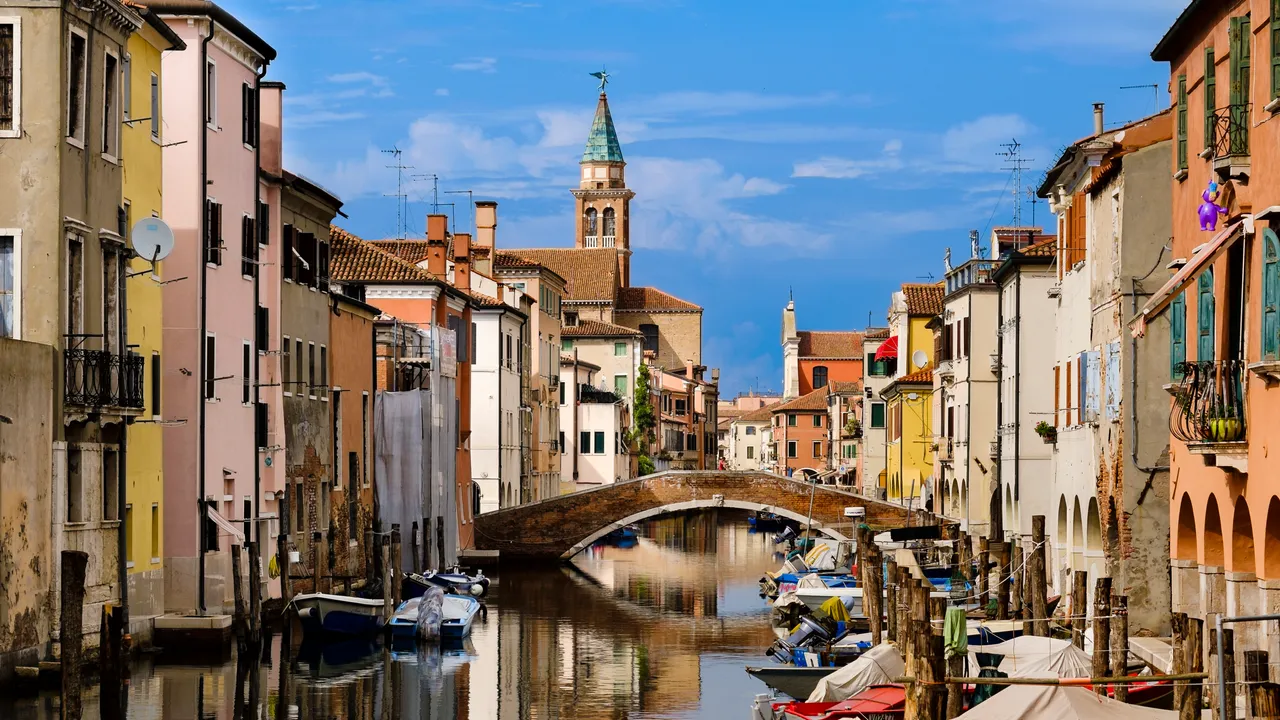
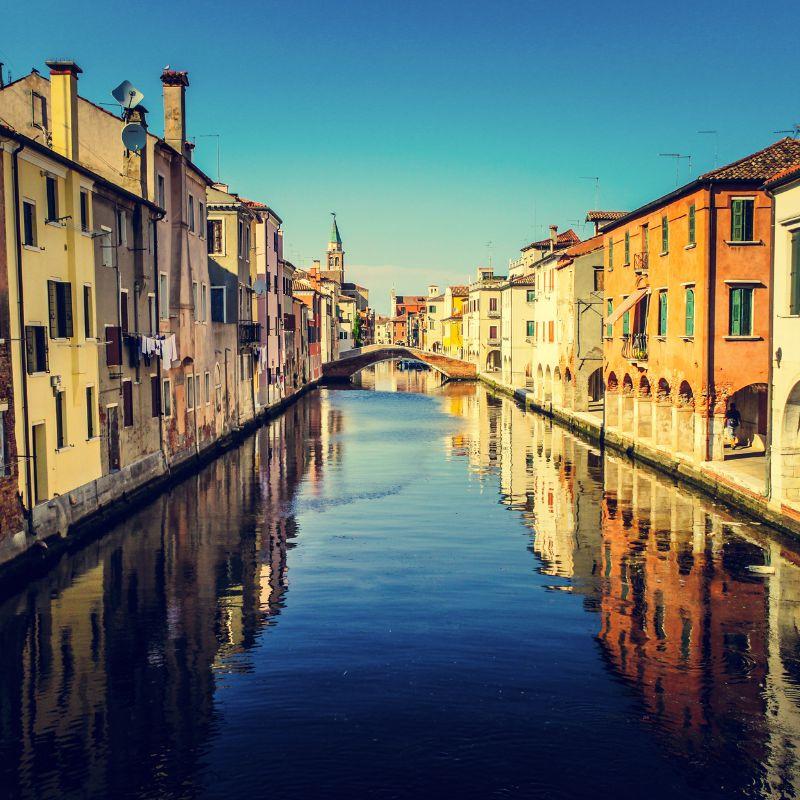
About 1.2 km away is Chioggia, known as “little Venice.” Its look is indeed that of a miniature Venice: alleys, bridges, palaces and canals leads us along a stroll that reveals a different face of the Venetian lagoon.
How to get to Chioggia and Sottomarina
- By car: approximately 40 km, take the Piovese state road and then a stretch of the Romea road. Chioggia is about 1.2 km from the centre of Sottomarina, a distance that can also be covered on foot.
- By bus: a convenient bus service runs directly from Padua to Sottomarina. You can catch a bus at the stop just 100 metres from ApartmentsPadova apartments.
- By bicycle: follow the river route known as the Via del Mare / Anello del Veneto. You can ride along the banks of the Piovego Canal towards Stra or turn south along the “Novissimo Canal”. The route is mostly flat and safe, passing through evocative rural landscapes and waterways before reaching the edge of the Venetian Lagoon.
The Brenta Riviera and the Venetian Villas
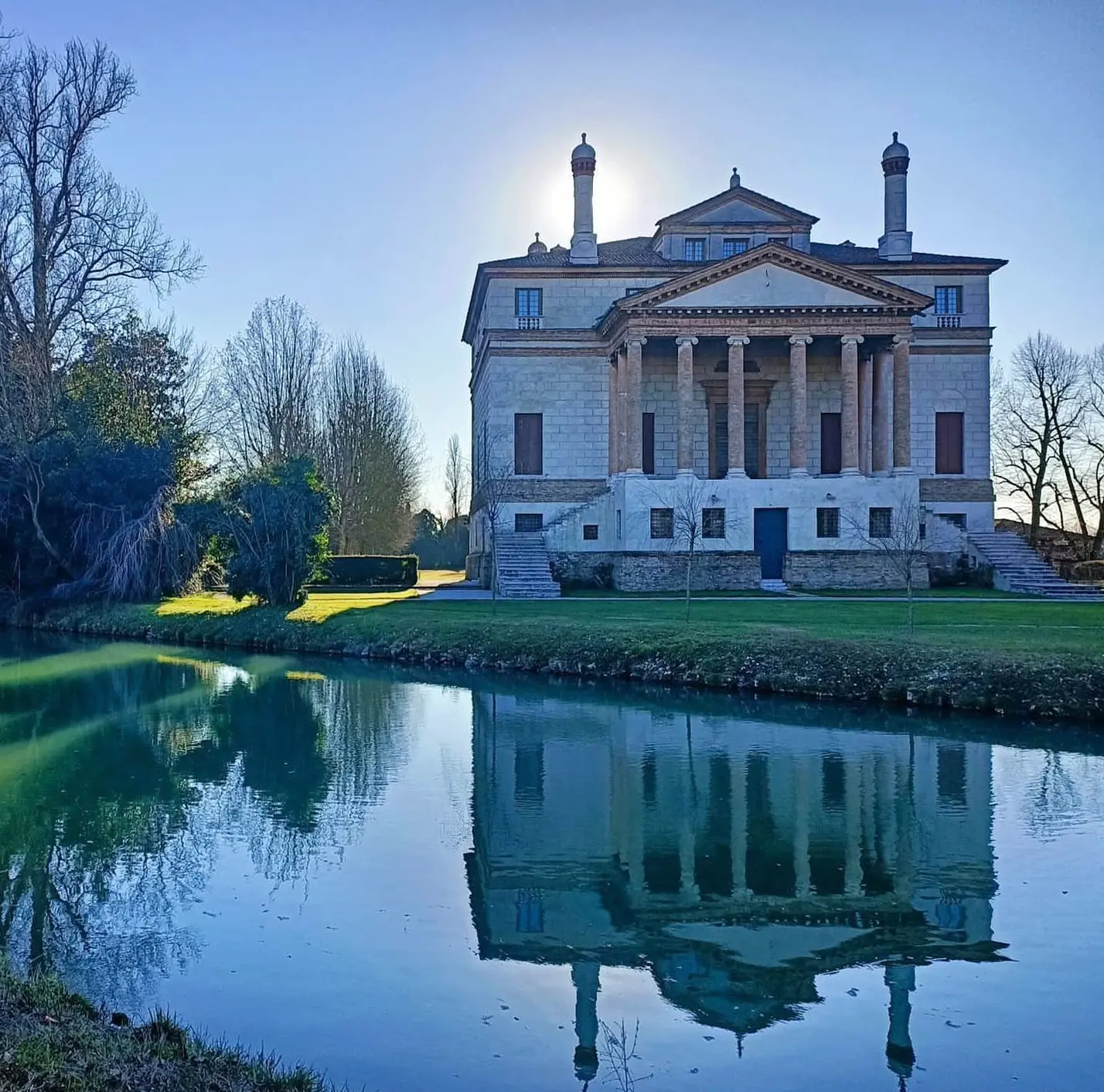
Another excellent excursion from Padua, ideal for a half-day visit, takes you along the Brenta Riviera, following the course of the Naviglio canal.
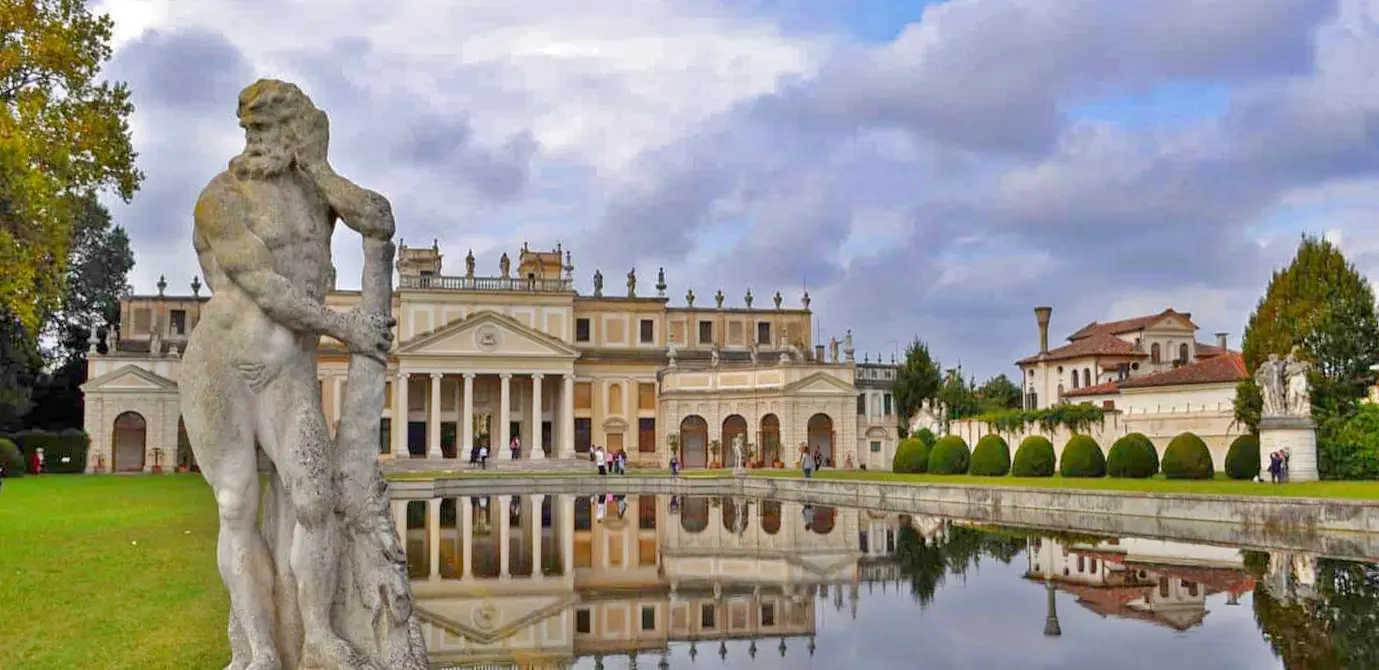
Here you will find numerous historic villas built between the 17th and 18th centuries as summer residences for the Venetian noble families.
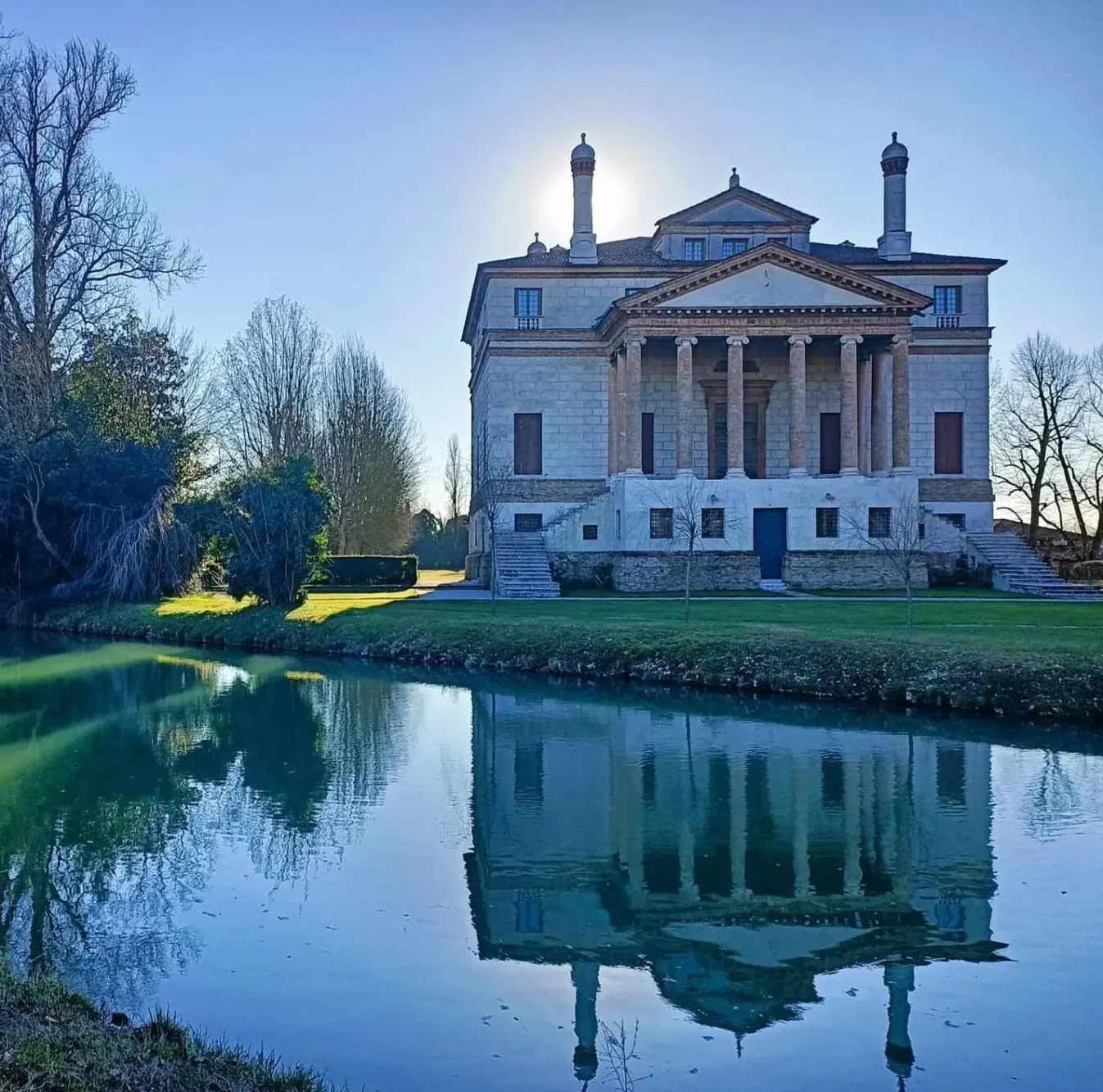
One of the most fascinating is Villa Foscari, also known as La Malcontenta. Designed by Andrea Palladio and included on the UNESCO World Heritage List, it is characterized by a majestic façade reflecting in the waters of the river.
How to get to the Brenta Riviera
- By car: approximately 30 km. Option 1: take the scenic SS11 state road, which runs alongside the Brenta River and the main towns along the Riviera. Option 2: take the A4 motorway towards Venice and exit at Dolo or Mira.
- By train: regional trains travelling towards Venice stop at stations along the Riviera.
- By bus: next to the railway station forecourt is the ACTV bus station, with frequent services to the towns along the Brenta Riviera.
- By bicycle: from “Porta Portello” or the station’s Bicipark, follow the banks of the Piovego and Brenta canals, passing through Noventa Padovana and continuing into the Riviera among Venetian villas and mixed-surface paths, including paved and unpaved stretches. The route is approximately 35–48 km long.
The Euganean Hills
If you would rather stay closer to Padua, the Euganean Hills are the destination to choose.
In just a few kilometres, the landscape becomes one of rolling hills, vineyards, woods and charming little villages.
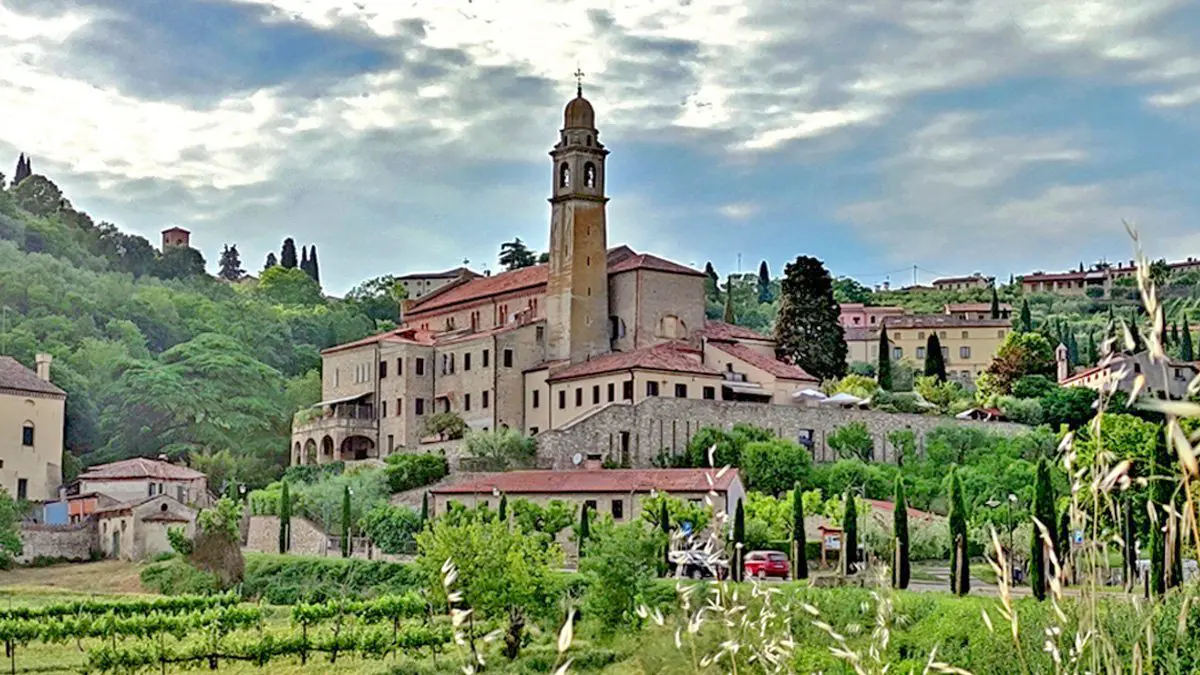
One place not to miss is Arquà Petrarca, a medieval village associated with the poet Francesco Petrarca. The Euganean Hills are also known for their thermal Spa resorts, including Abano Terme, and their rich food and wine tradition.
The area produces full-bodied, elegant wines such as Cabernet, Raboso, Serprino and Fior d’Arancio dei Colli Euganei, as well as a particularly prized olive oil.
A day in the Euganean Hills can therefore combine scenic walks, village visits, wine tastings and moments of relaxation.
How to get to the Euganean Hills
- By car: the Strada dei Colli can be reached from urban roads or the ring road. It is approximately 5 km away, while the first towns in the area are around 15 km from Padua.
- By bicycle or on foot: you can reach the Euganean Hills from Padua using the cycle paths along the riverbanks towards Abano and Montegrotto, joining the Euganean Hills Ring Route. The complete circuit is approximately 64 km long. Nature lovers will also find numerous walking and cycling trails in the hills, which can be reached by car if preferred.
The Prosecco Road
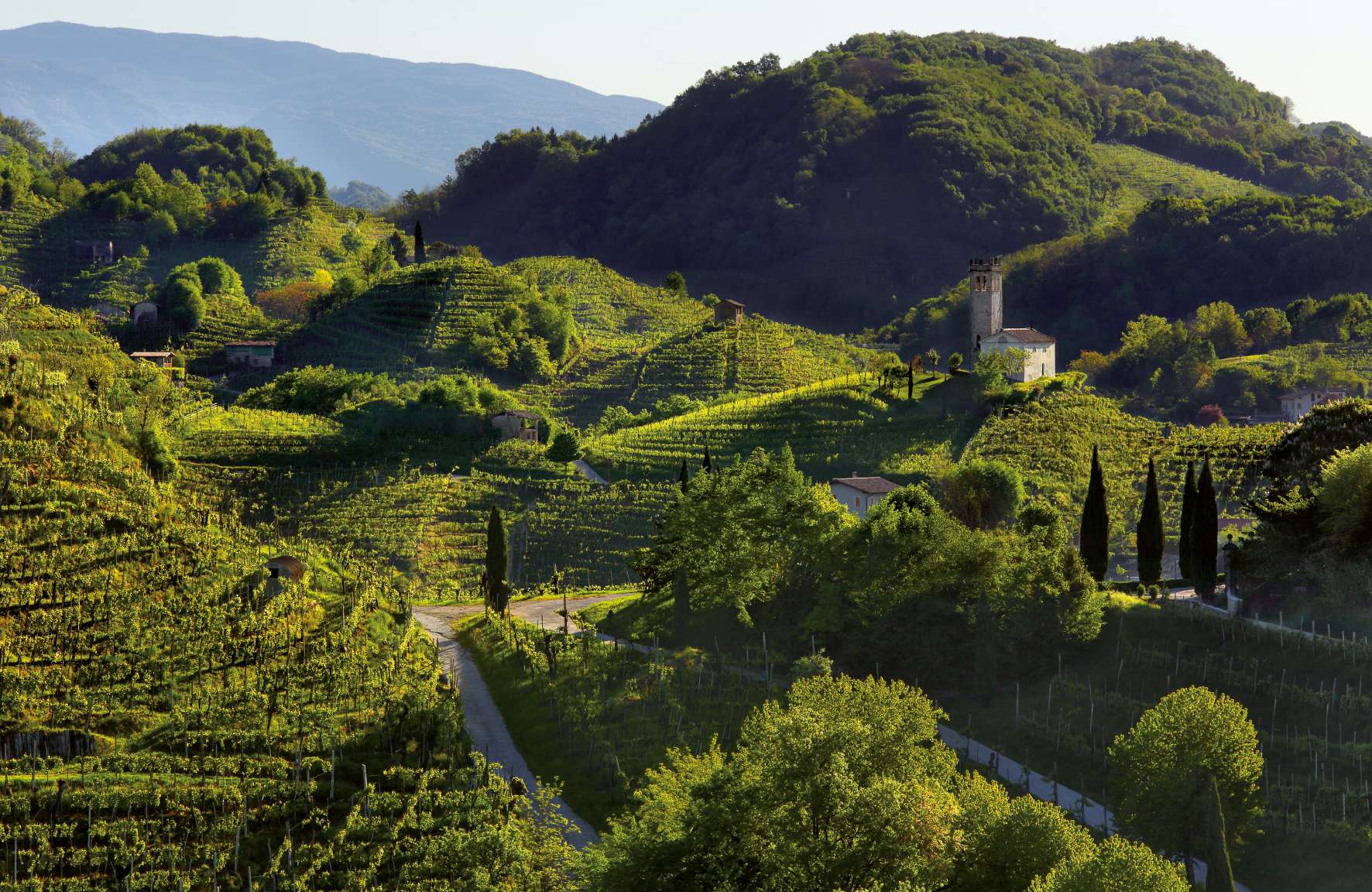
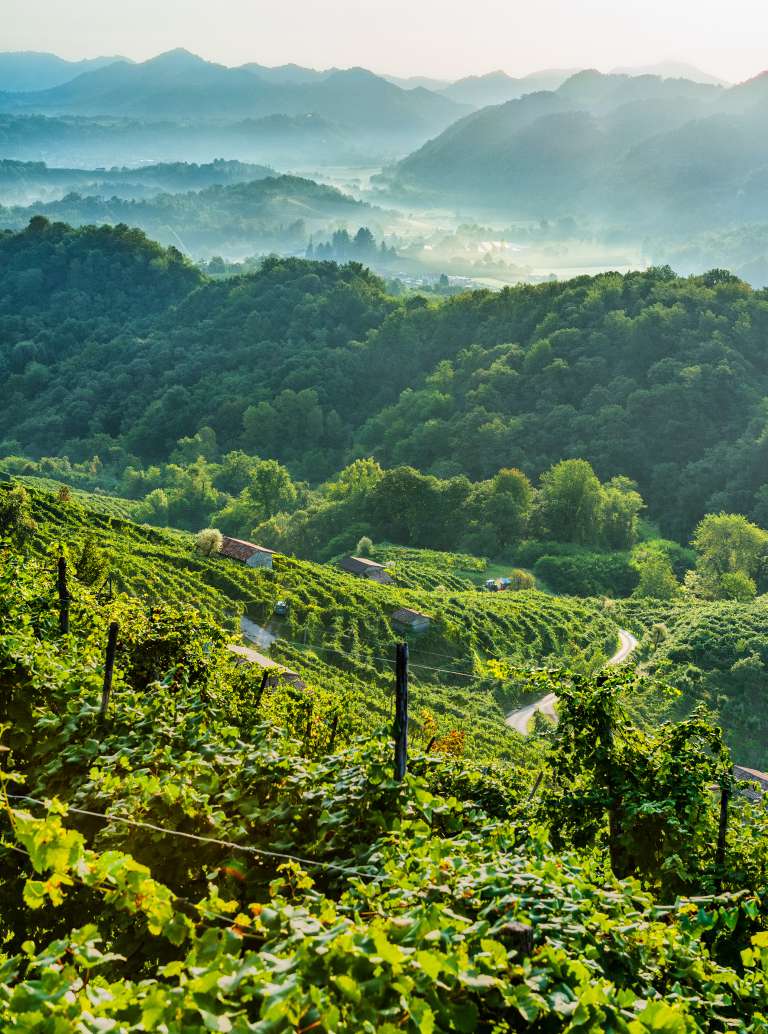
For those who love hilly landscapes and good wine, a trip to Valdobbiadene, in the Treviso area, is worthwhile.
The area is characterized by a particularly striking landscape, where vineyards, woods, small valleys and watercourses alternate, creating different scenery in every season.
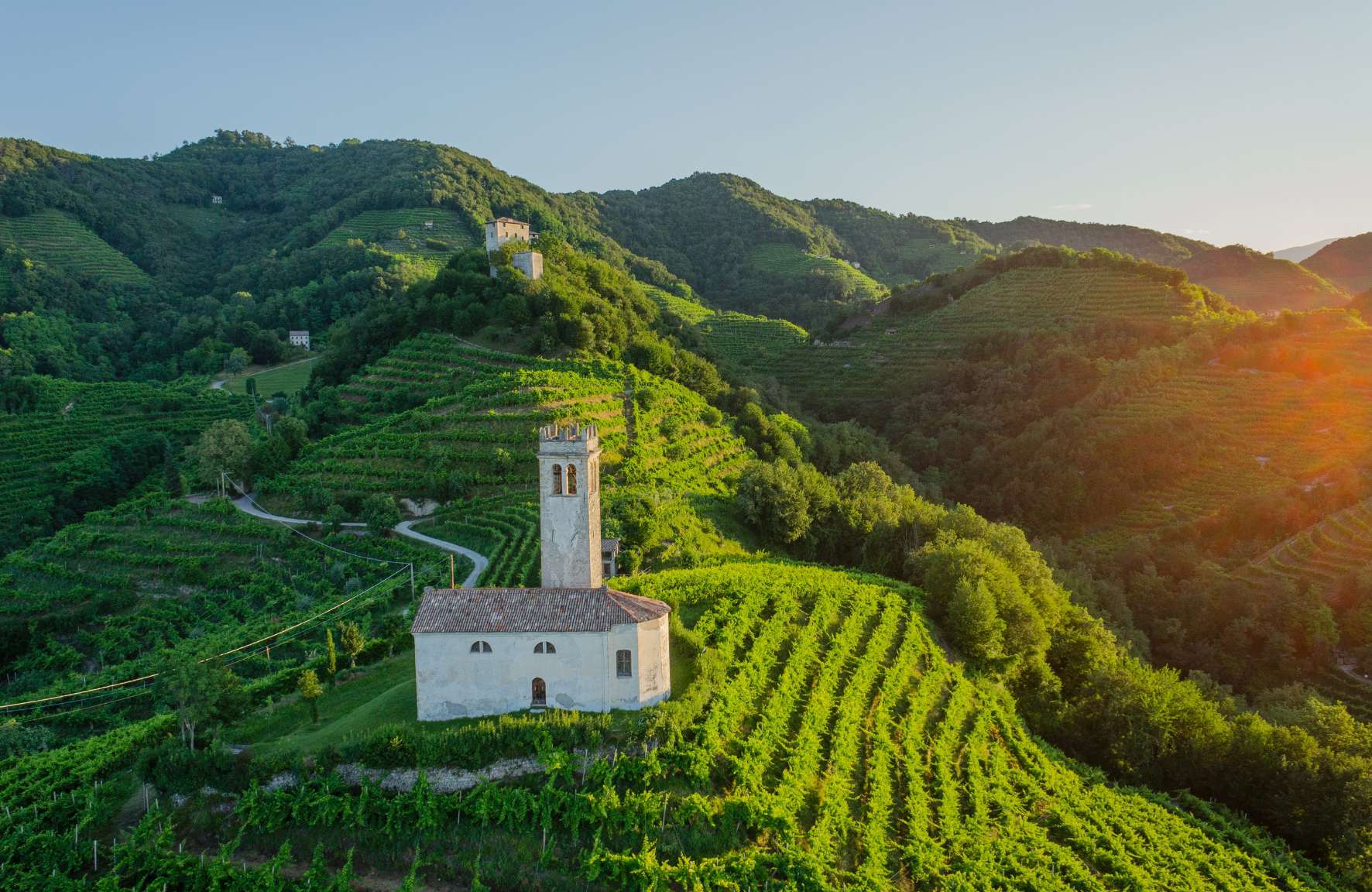
The Prosecco Hills of Conegliano and Valdobbiadene are also a UNESCO World Heritage Site and are among the most characteristic areas of Veneto.
It is a perfect destination for a weekend dedicated to a splendid hilly landscape and food and wine traditions.
How to get to the Prosecco Road
- By car: 67 km to Valdobbiadene, via Strada Regionale 235 and provincial roads 667 and 84.
Bassano del Grappa
Less than an hour from Padua, you can also reach Bassano del Grappa, a town rich in history, monuments and museums.
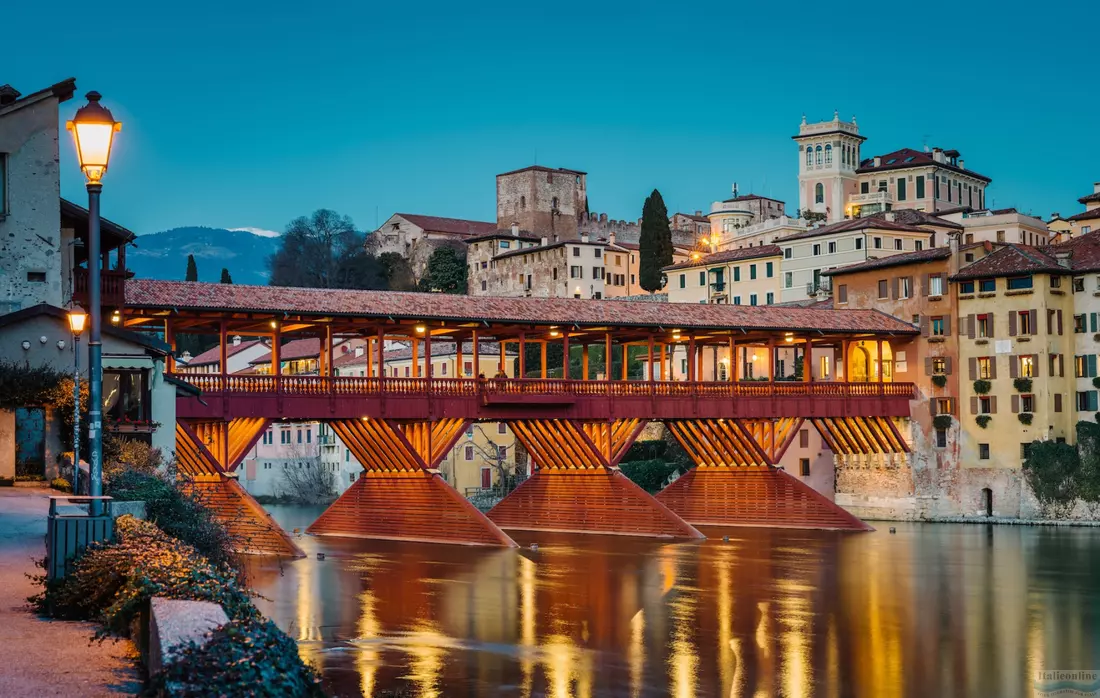
Its symbol is the famous Ponte degli Alpini (Alpini Bridge), built to a design by Andrea Palladio. The bridge is dedicated to the memory of the Alpini soldiers who, during the First World War, crossed it to climb up to the Sette Comuni plateau, the scene of bloody fighting.
A stroll through Bassano’s historic centre will reveal historic buildings, squares and places connected with local culture. One of the town’s most distinctive experiences is a visit to the Grappa Museum, dedicated to the famous spirit, which was once believed to have medicinal properties.
How to get to Bassano del Grappa
- By car: approximately 44 km along State Road 47.
- By bus: about one hour and fifteen minutes, with buses departing every half hour from the bus station next to the railway station.
- By train: approximately one hour and ten minutes on a regional train departing from Padua railway station every hour.
The Dolomites and the mountains of Veneto
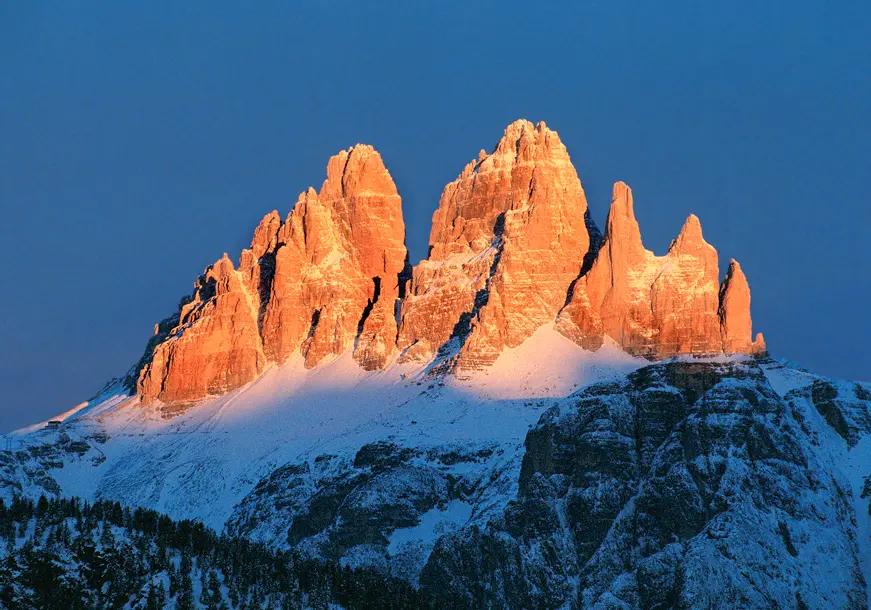
Mountain lovers can visit the Dolomites, another extraordinary UNESCO World Heritage Site in Veneto, renowned for its spectacular landscape of rock faces, valleys and plateaus.
Cortina d’Ampezzo, Passo Giau, Cadore, Agordino and the Zoldo Valley are just some of the places waiting to be admired.
There are not only the Dolomites. Other Venetian mountains also deserve a trip: Monte Grappa, Pasubio with its famous Road of the 52 Tunnels, the Asiago Plateau and the Sette Comuni, and Monte Baldo, overlooking Lake Garda.
They are very different territories, but they share the possibility of experiencing the mountains in every season.
How to get to the Dolomites and other mountain destinations
- By car:
- To Cortina d’Ampezzo: approximately 175 km, taking the A4 motorway towards Venice, then the A27 and continuing along State Road 51 Alemagna.
- To Asiago: approximately 80 km, taking the A4 motorway towards Milan, then the A31 Valdastico and continuing along Provincial Road 49.
- To Monte Baldo: approximately 130 km, taking the A4 motorway towards Milan and then the A22 northbound, exiting at Ala-Avio or near Lake Garda.
Food and wine in Veneto: what we recommend
Discovering Veneto away from the busiest tourist routes also means letting yourself be guided by its flavours.
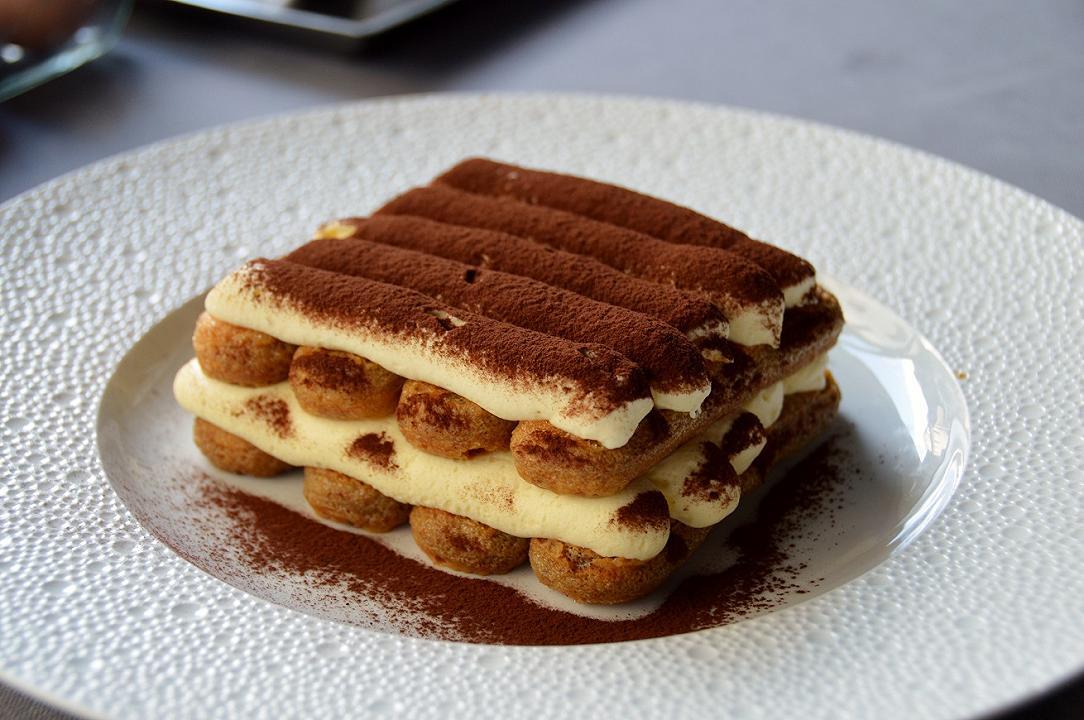
The region is rich in local produce and culinary traditions that tell the story of its different areas. From Prosecco to tiramisù — the delicious dessert made with mascarpone cream, ladyfinger biscuits and coffee — and from the many delicious types of cheese to the typical vegetables, there is really something for every taste.
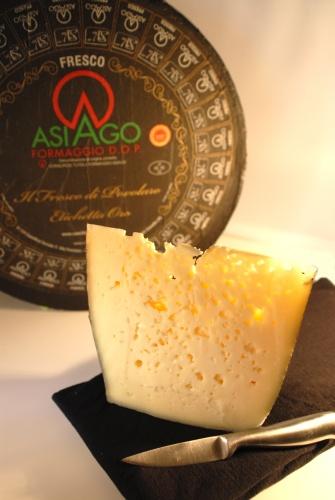
Among the region’s outstanding products are Asiago cheese, Treviso red radicchio, white asparagus from Bassano and soppressa Vicentina, a traditional cured pork sausage.

Then there are the wineries, farms and small local businesses where you can stop to taste a product, meet the people who make it and discover a territory through its flavours.
Craft workshops we recommend to our guests
Your journey through Veneto can also continue with the discovery of its traditional crafts.
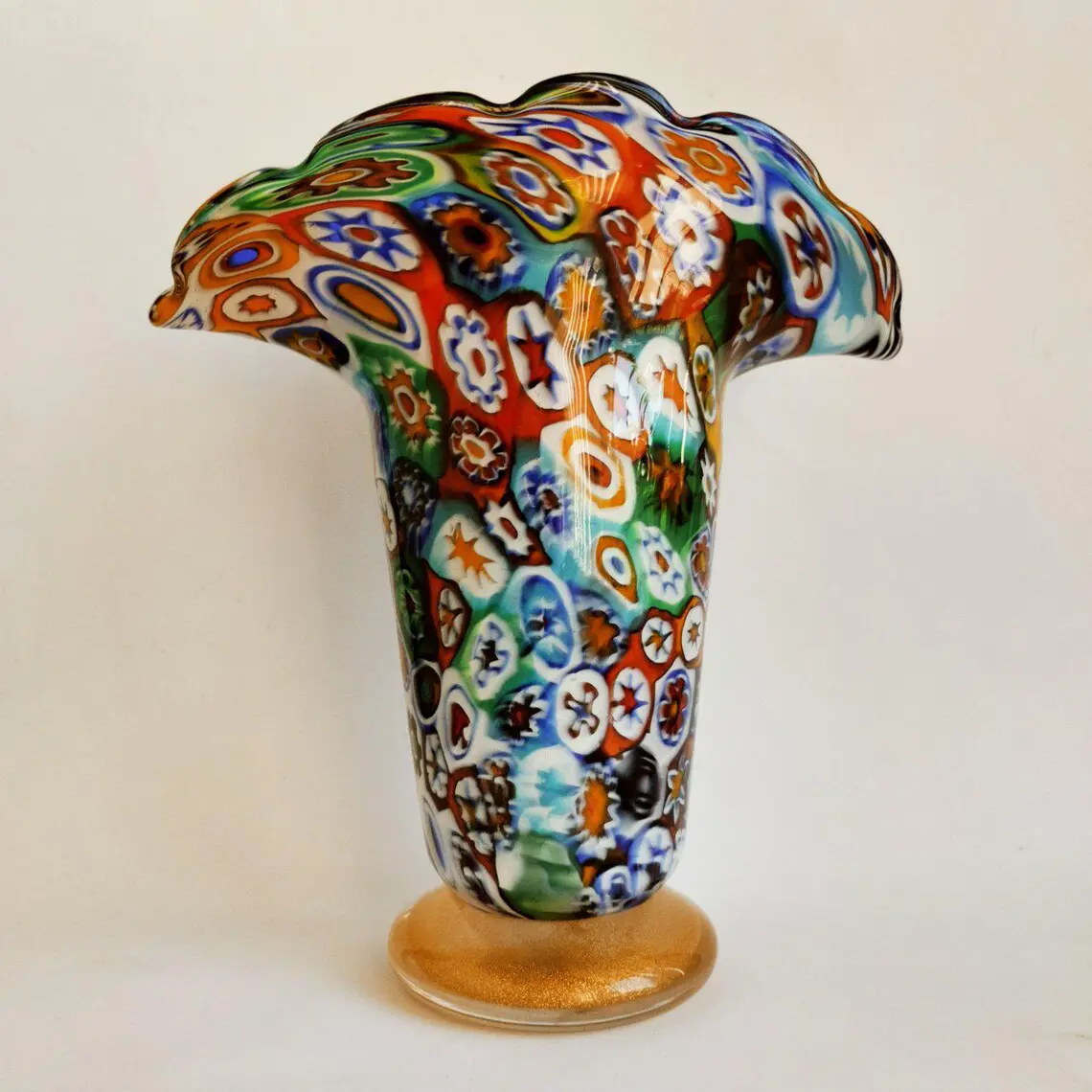
Vicenza’s goldsmithing, Murano glass and Burano laces, in the Venetian Lagoon, are just a few examples of a rich artisanal heritage that express the identity of the region’s different traditional trades.


These small experiences, often away from the main tourist routes, are precisely what can make a trip more personal and authentic.
Returning in the evening: make Padua your home while exploring Veneto
Choose Padua as your starting point and let yourself be surprised by everything waiting to be discovered outside the city. If you are planning a trip to explore our region, staying in Padua can be a convenient way to organise excursions and itineraries in several different directions.
Book your stay in Padua
Discover our apartments in Padua, choose the one that best suits your needs and plan your itinerary to explore Veneto beyond the usual tourist routes.
Because sometimes, to truly discover a region, all you need to do is take a different road.
Photo credits:
italia.it
ilgazzettino.it
unipd.it
visitchioggia.com
goodtrekking.it
veniceoriginal.it