
Palazzo della Ragione
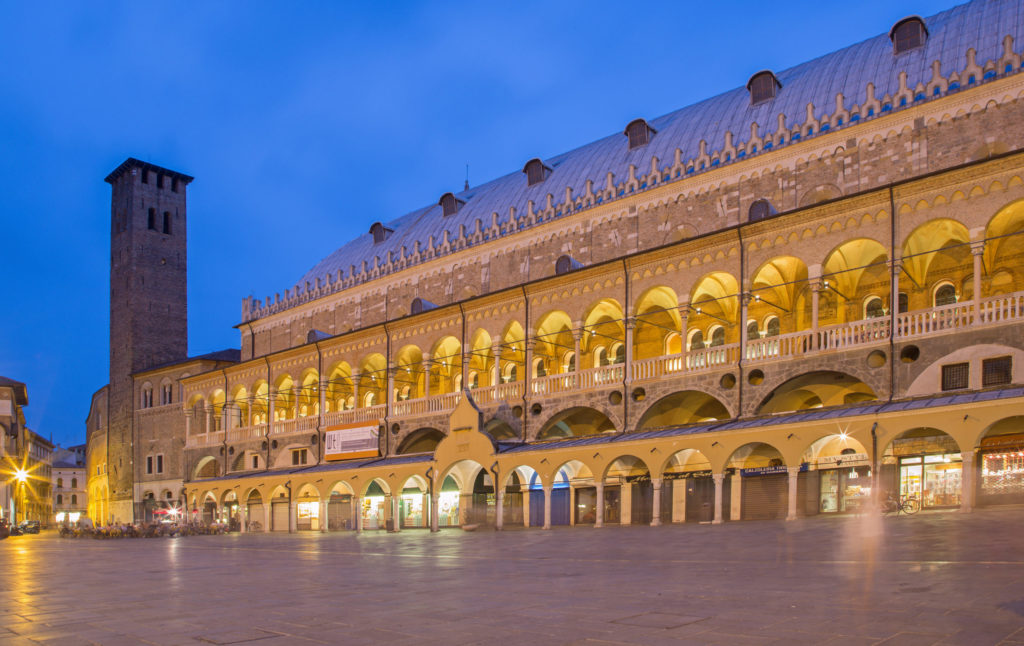
Construction of this majestic building began in 1218. It is a key landmark of medieval Padua. Its roof is in the shape of the reverse of the hull of a ship and its magnificence reflects the importance and value it has had in the history of the city.
Palazzo del Bo’
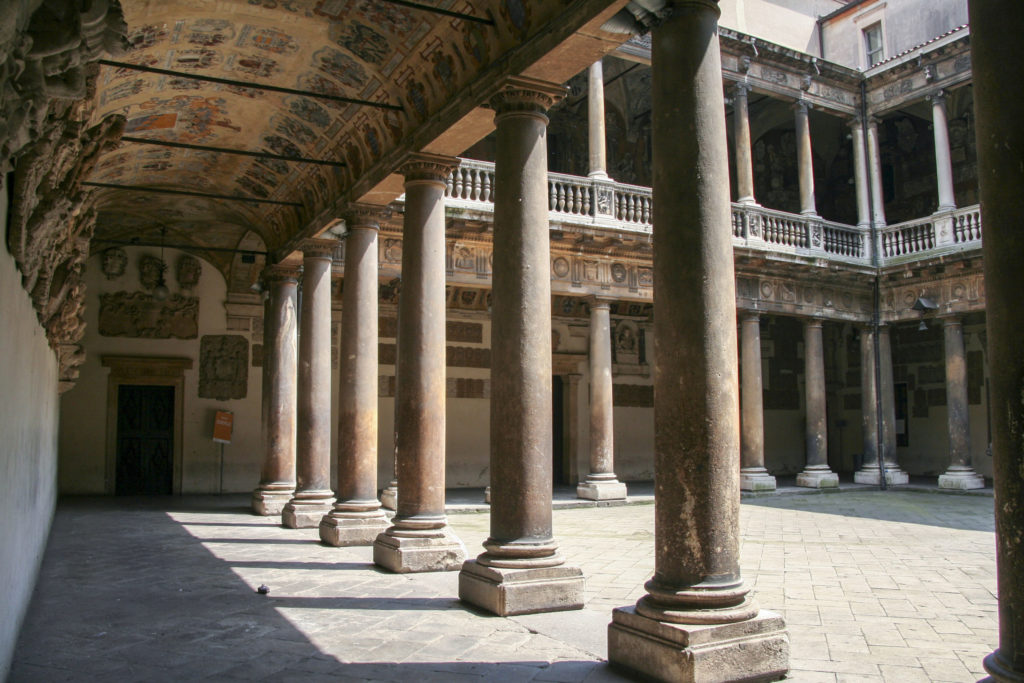
This building represents the historic headquarters of the city’s university, Università degli Studi di Padova.
Here you will be able to see the desk of Galileo Galilei and the classroom where he taught, the Aula Magna.
What else is a must-see? La Sala dei Quaranta with frescoes dedicated to students and professors that taught here after Galileo Galilei, La Sala della Medicina and the oldest Anatomical Theater in the world (1595).
Caffè Pedrocchi
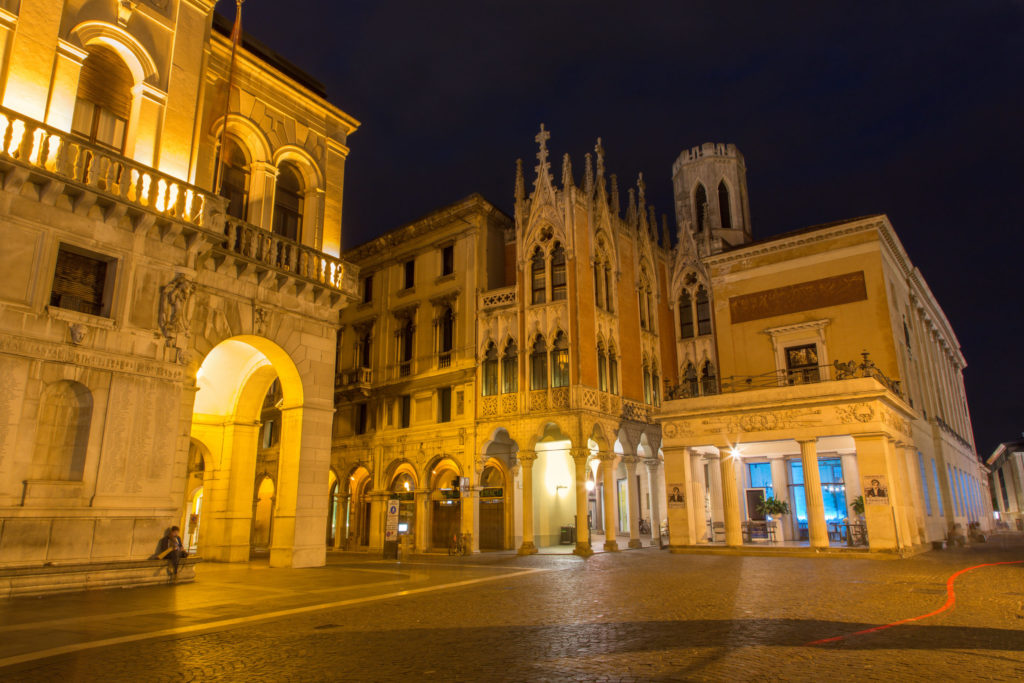
One of the symbols of Padua, still today it is considered the most exclusive coffee spot in the city centre.
Designed in the 19th century by architect Giuseppe Jappelli, since its conception this world-famous café has been a meeting place of intellectuals, students, academics and politicians.
Its three rooms on the ground floor and those of the piano nobile will welcome you to elegant and refined spaces surrounded by marble, mirrors and velvet furnishings.
Torre dell’Orologio, the astrarium clock tower in Piazza dei Signori
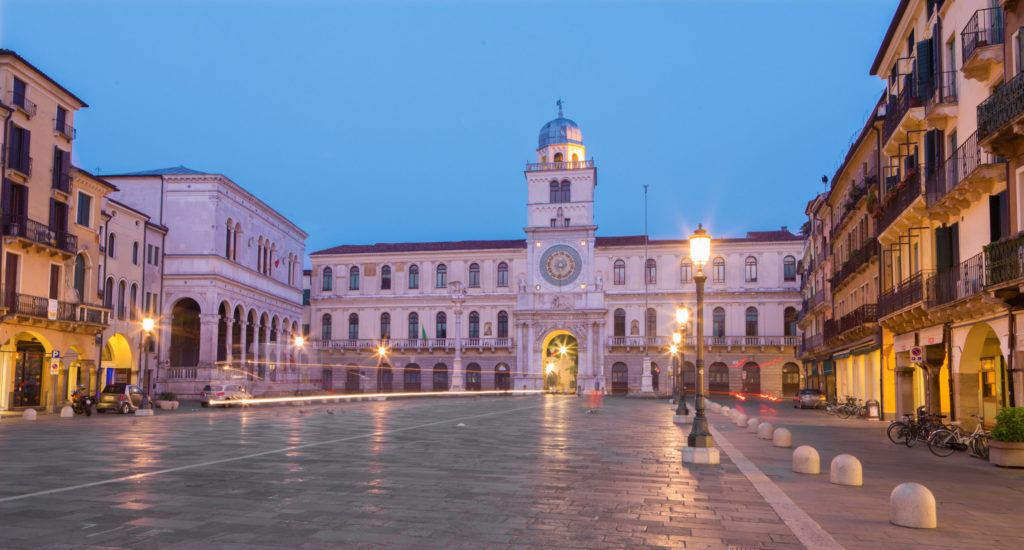
This is one of the oldest functioning clock towers in the world. Visiting its interior is an experience you cannot miss: you will be able to see the ancient clock mechanisms and discover how it all works.
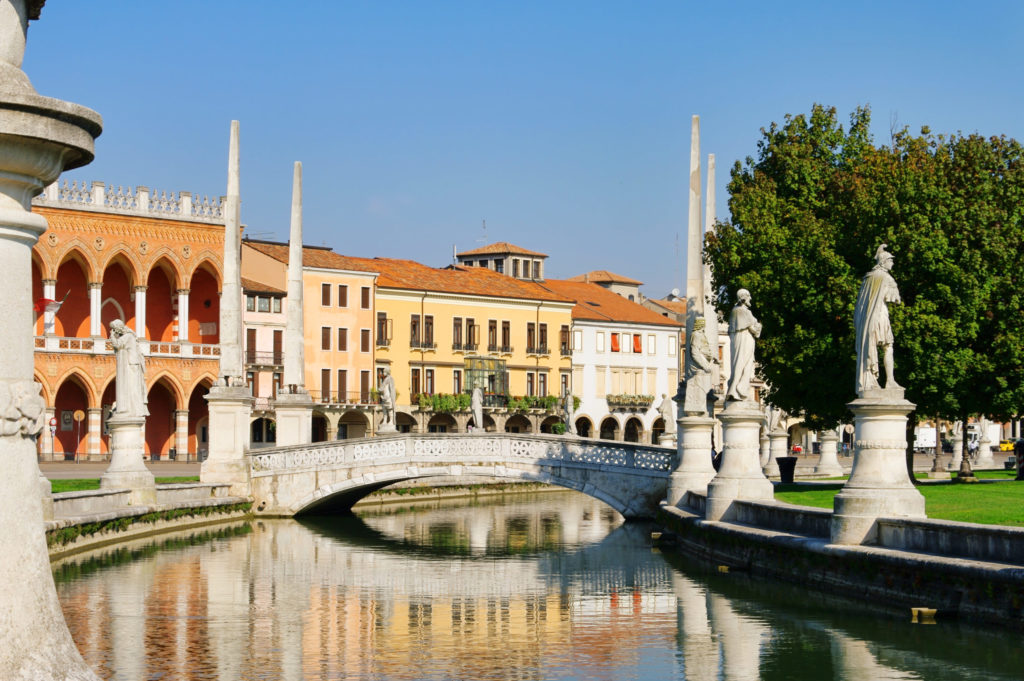
Prato della Valle
Another iconic spot in Padua, this large elliptical square with a verdant island in the centre called Isola Memmia, in honour of the chief magistrate, Andrea Memmo, who commissioned its construction.
An ideal place to relax in the open air or to take part in the many activities that regularly take place there.
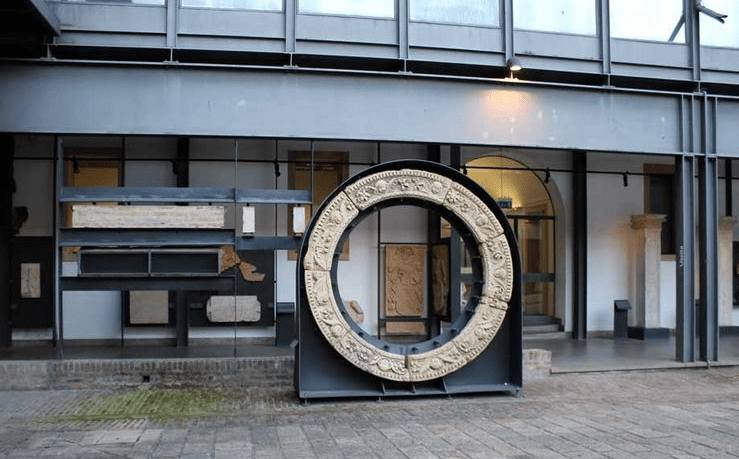
Museo Archeologico (Archeological Museum)
Is part of the civic museum system Musei Civici agli Eremitani.
Civic Museums at Eremitani Here you will be able to admire archaeological finds from the Pre-Roman period with Paduan necropolis. You will also find a rich collection of architectural elements such as columns and their capitals, trabeations and friezes, discovered mostly in Padua and the nearby Euganean Hills area.
Photos via:
shutterstock.com
theartpostblog.com