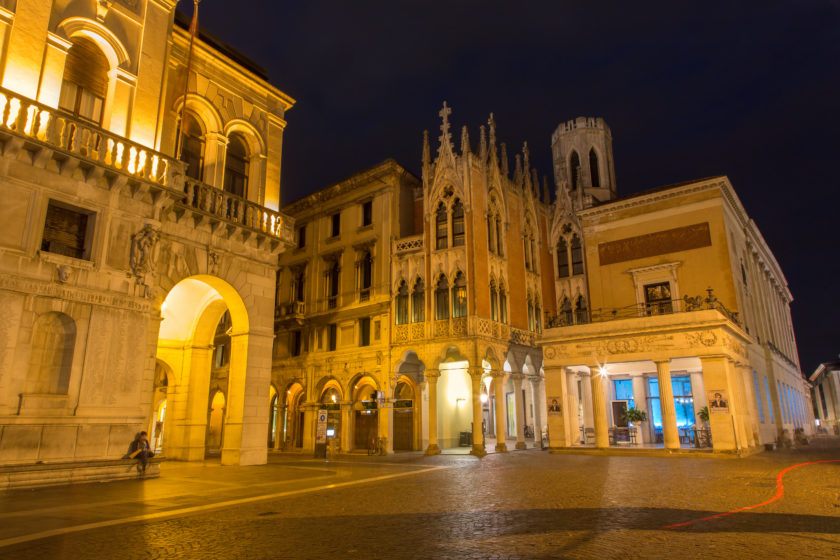
The astronomical clock in Piazza dei Signori

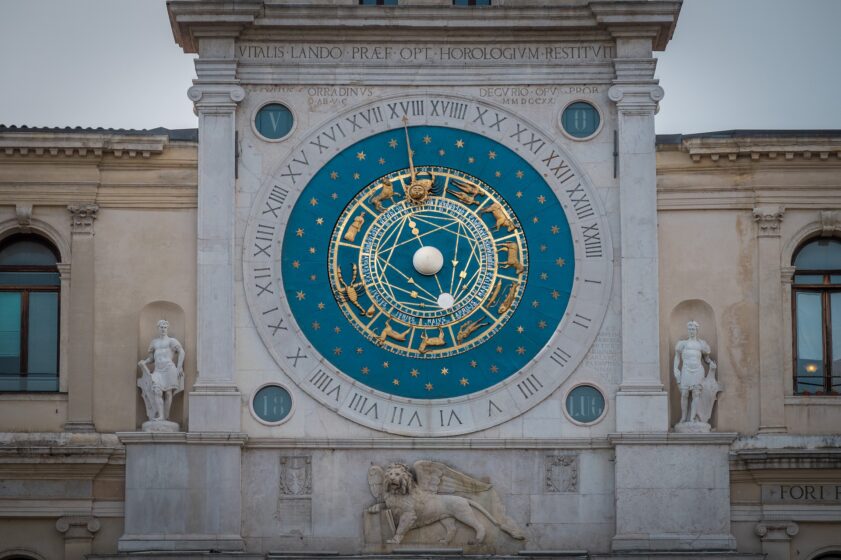
This clock is considered a symbol of excellence by locals. It stands out in Piazza dei Signori, the central square and main reference point in Padua, counting the time day after day in the historic centre.

It is an astronomical clock, that tells us the lunar phases and the position of the planets. It represents the summa of our ancestors’ knowledge of the Universe in the scholarly Padua of 1300, the golden century of our city.

A technical, artistic and engineering masterpiece, the astronomical clock in Padua represents a jewel that deserves to be known and visited.

Continue reading

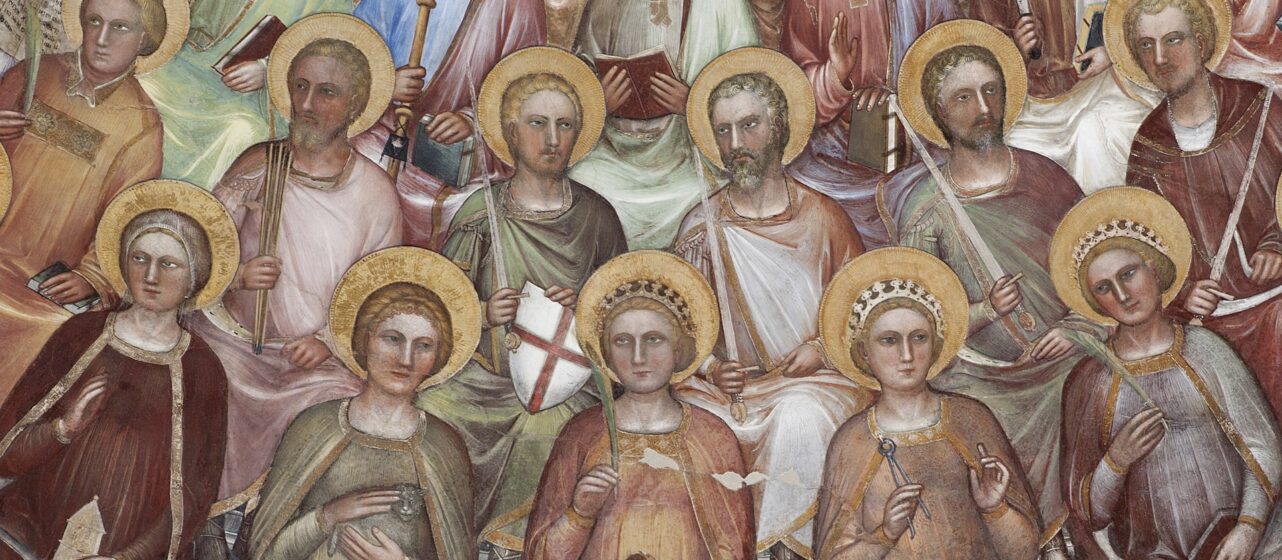
Scrovegni Chapel

The Scrovegni Chapel in Padua and Giotto’s frescoes: a Western artistic masterpiece

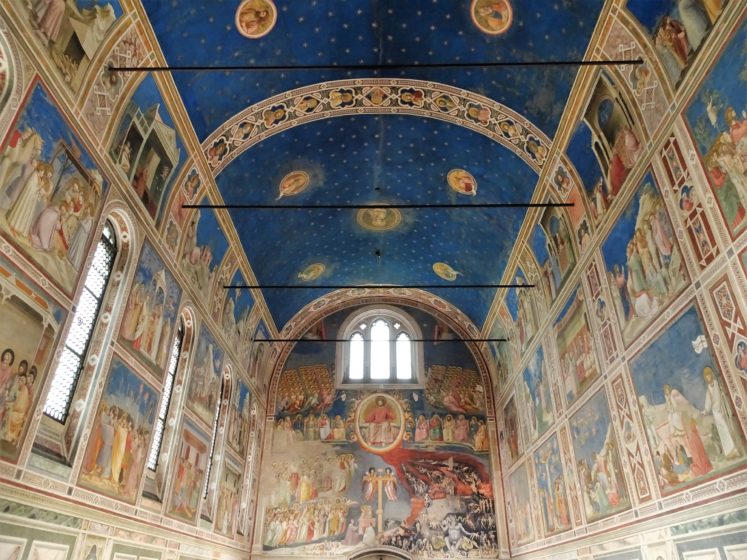
The frescoed Scrovegni Chapel by Giotto is one of the reasons why there’s a regional saying “Venice the beautiful, and Padua her sister”.
Our city does, in fact, contain artistic and historic masterpieces to rival those in Venice.
So if you find yourself in Padua and want to visit something that is truly unique, you absolutely have to visit this red-brick chapel. You will be left awestruck by the extraordinary circle of frescoes painted by Giotto between 1303 and 1305.

Under a magnificent star-studded sky, an emotional journey awaits you: immerse yourselves in a work of art that is recognised around the world as one of the masterpieces of Western art and set to become a UNESCO World Heritage Site. Come, take a look…

Continue reading

The Orto Botanico (Botanical Garden) of Padua

The oldest botanical garden in the world that is still in its original arrangement

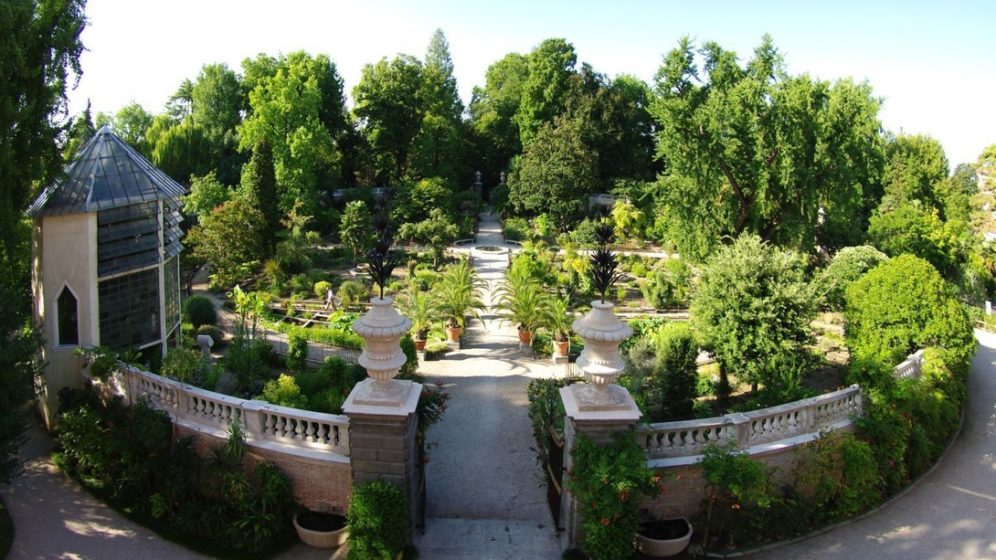
In Padua there is a green oasis to discover: the Botanical Garden.

Founded in 1545, when academics of the University of Padua designed it to allow university students to learn about the plants from which they could extract medicinal properties, they decided to create a garden to grow ‘simple’ plants, that derived directly from nature and that at the time were the primary source of cures. Here’s why the first botanical gardens were named Horti simplicium, the Simple Gardens.

Continue reading

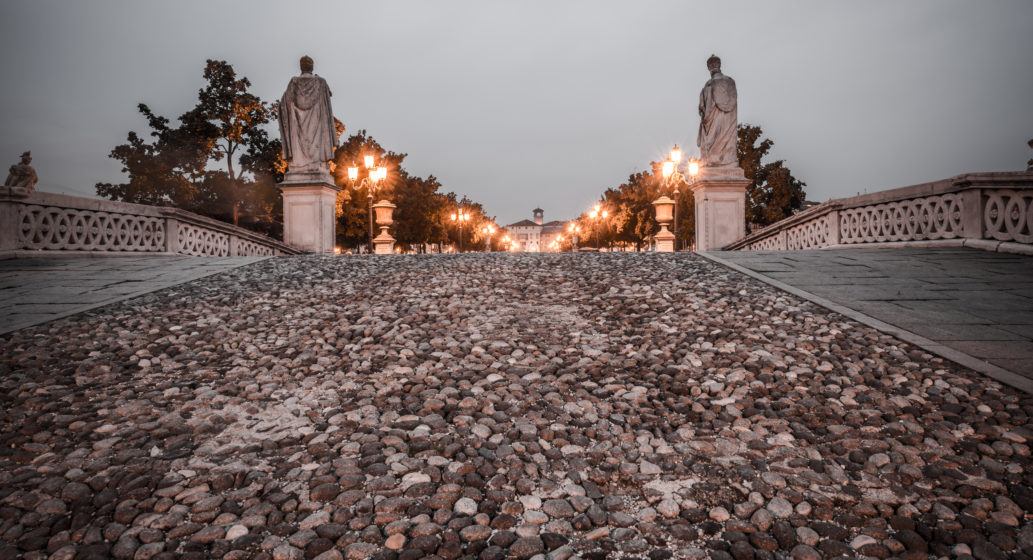
The statues in Prato della Valle: the map to recognise them

Prato della Valle, the biggest square in all of Europe after Moscow’s Red Square, with the Caffè Pedrocchi is one of the symbols of Paduan identity. With its 90,000 m2 surface, it can legitimately boast the title of one of the most beautiful pedestrian zones in the world.

In the centre of the famous “lawn with no grass” is the island of Memmia.
A vast egg-shaped garden adorned with 4 bridges, 8 obelisks, 16 ornamental vases and a canal whose inner and outer border has pedestals upon which rise sculptures installed between 1775 and 1883 by various artists. But who do they represent?

Continue reading