
During your stay in Padua, don’t miss the opportunity to visit one of the city’s most fascinating and spiritual places: the Basilica of Santa Giustina, located in the elegant setting of Prato della Valle.

During your stay in Padua, don’t miss the opportunity to visit one of the city’s most fascinating and spiritual places: the Basilica of Santa Giustina, located in the elegant setting of Prato della Valle.
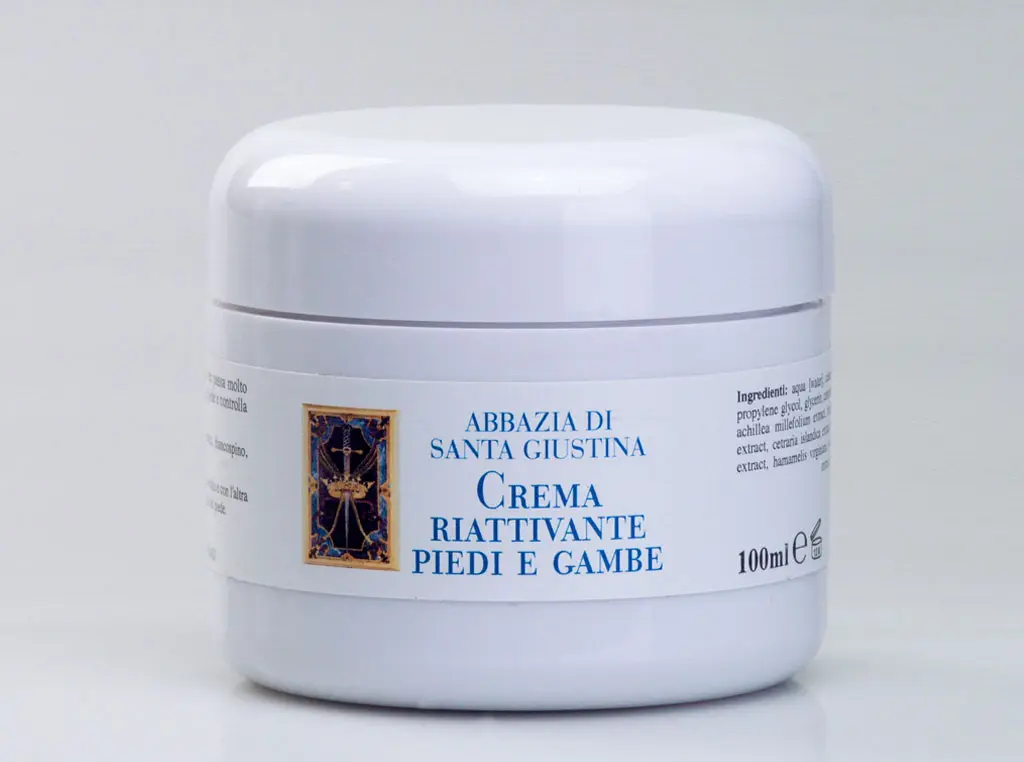
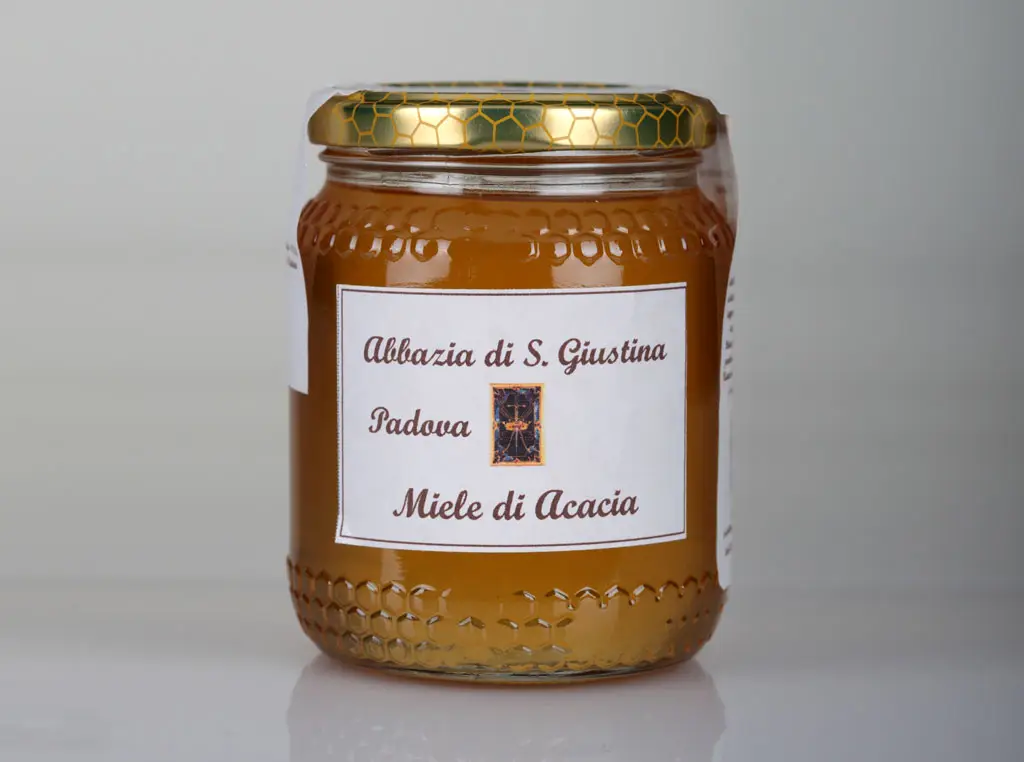
Inside, there is also a small but distinctive monks’ shop, where you can buy unique artisanal products, such as honey, liqueurs, herbal teas, and natural cosmetics, all made according to monastic recipes passed down through the centuries. It’s a perfect idea for an authentic gift or a special souvenir of your trip.
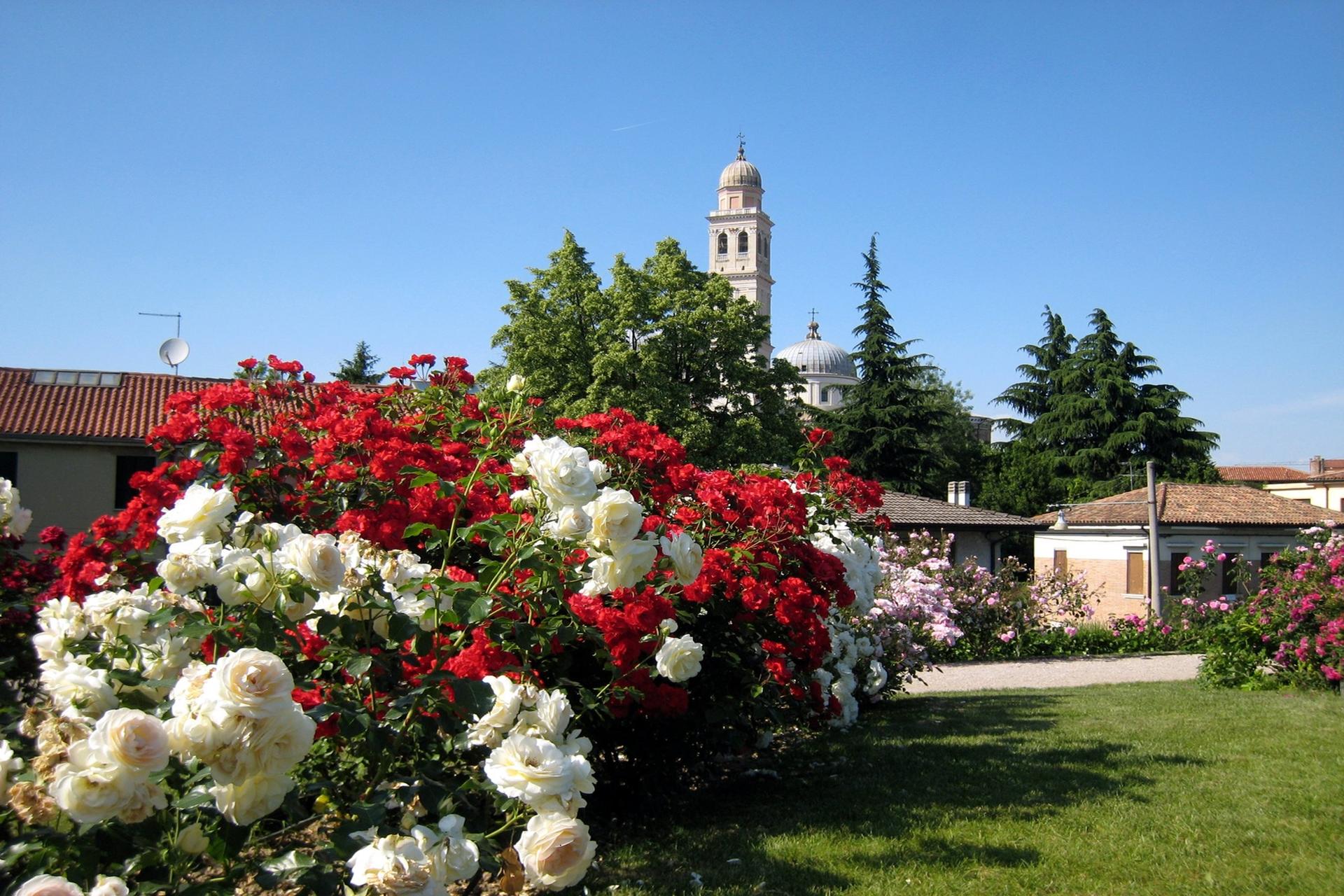
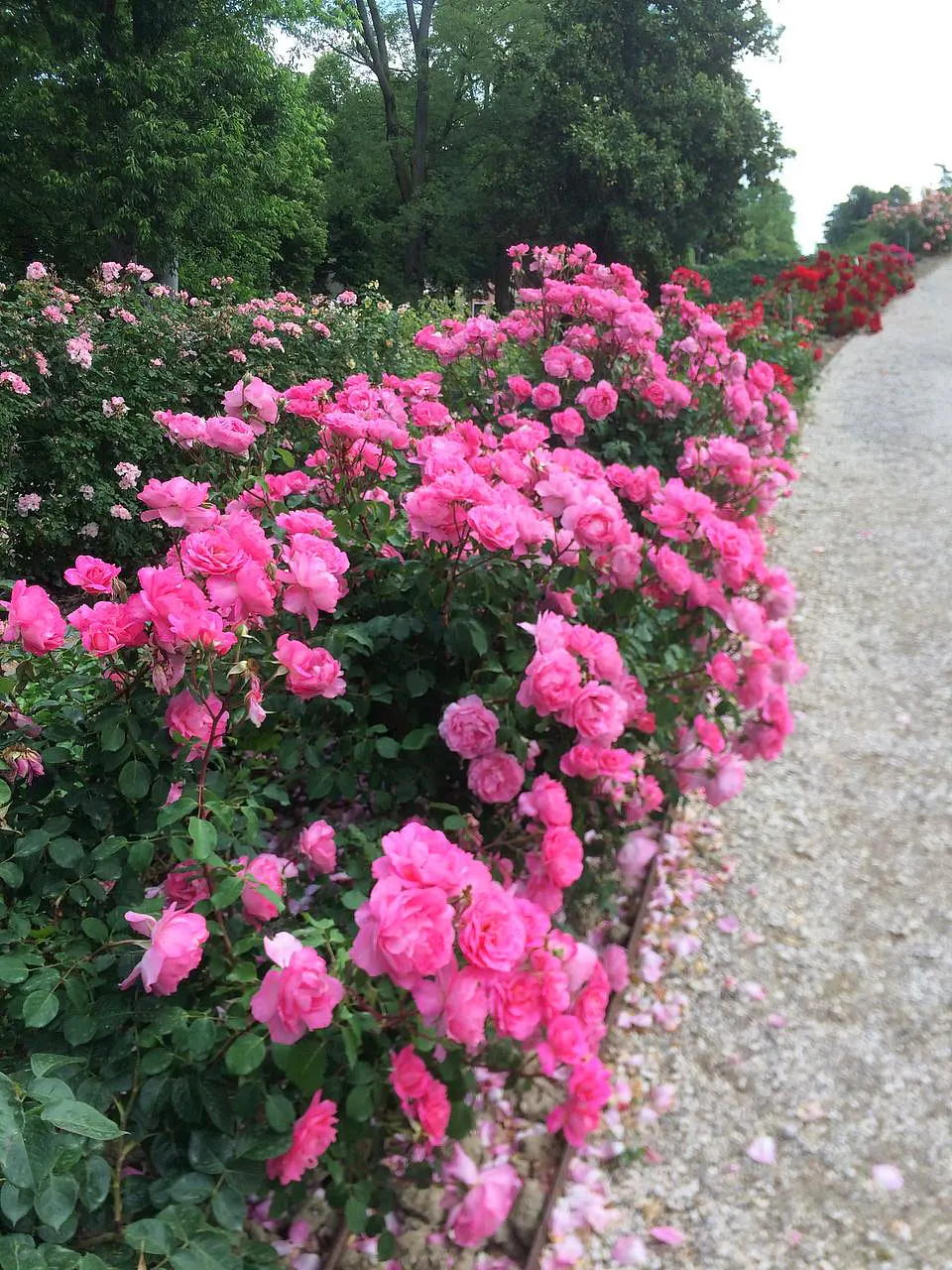
And if you’re looking for a moment of relaxation, let the basilica’s rose garden enchant you. It’s a hidden, quiet corner, ideal for a break among the perfumes and colors of the roses.
The Basilica of Santa Giustina is a must-see for anyone visiting Padua: a place where art, faith, and nature merge to offer you an unforgettable experience.
- The Basilica of Santa Giustina: The Church with Eight Domes
- The Monastery and Library of Santa Giustina: A Journey Through History and Culture
- Did you know there is a shop inside the Basilica where you can buy the monks’ products?
- A Charming Rose Garden Off the Tourist Trail
The Basilica of Santa Giustina: The Church with Eight Domes
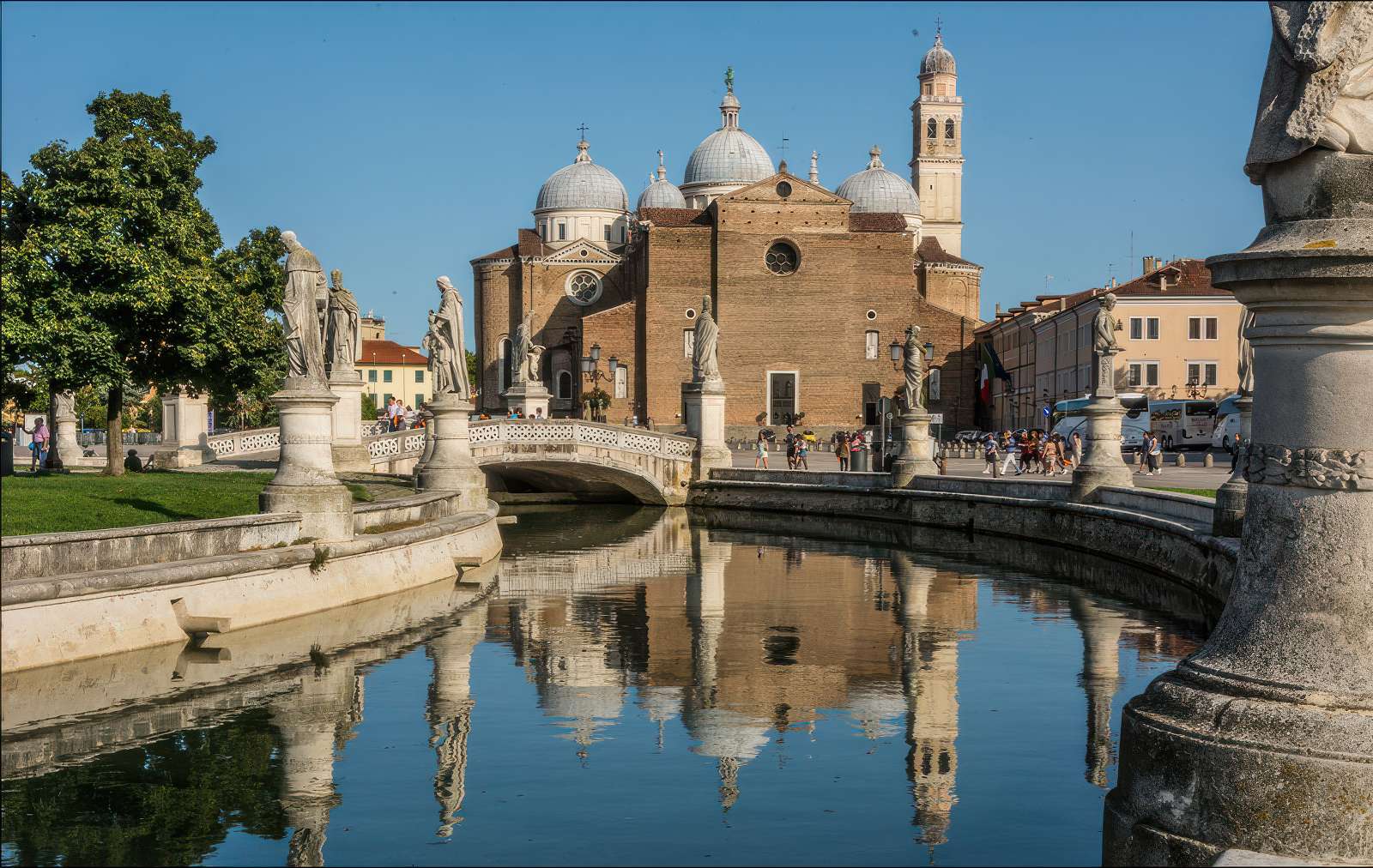
The complex of the Abbey of Santa Giustina includes the grand basilica with its eight domes and the impressive Monastery. The church is extraordinarily fascinating due to its lateral and asymmetrical position facing Prato della Valle. It was founded around the 5th century on a cemetery site in memory of the martyr Giustina: a young patrician who refused to renounce her faith during the persecutions of Diocletian.
The imposing church we see today, the ninth largest church in the world, dates back to the 17th century. It is a gigantic construction with a rough stone facade. The eight beautiful domes, scattered across the entire roof, help to emphasize the already powerful bulk of the basilica.
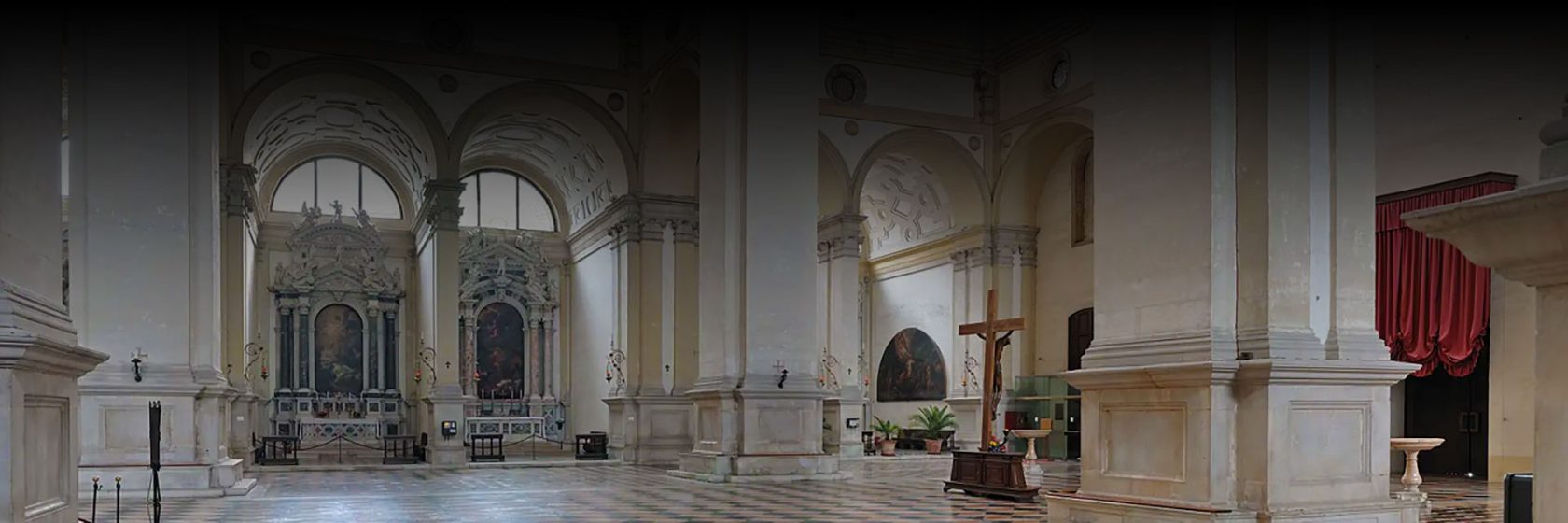
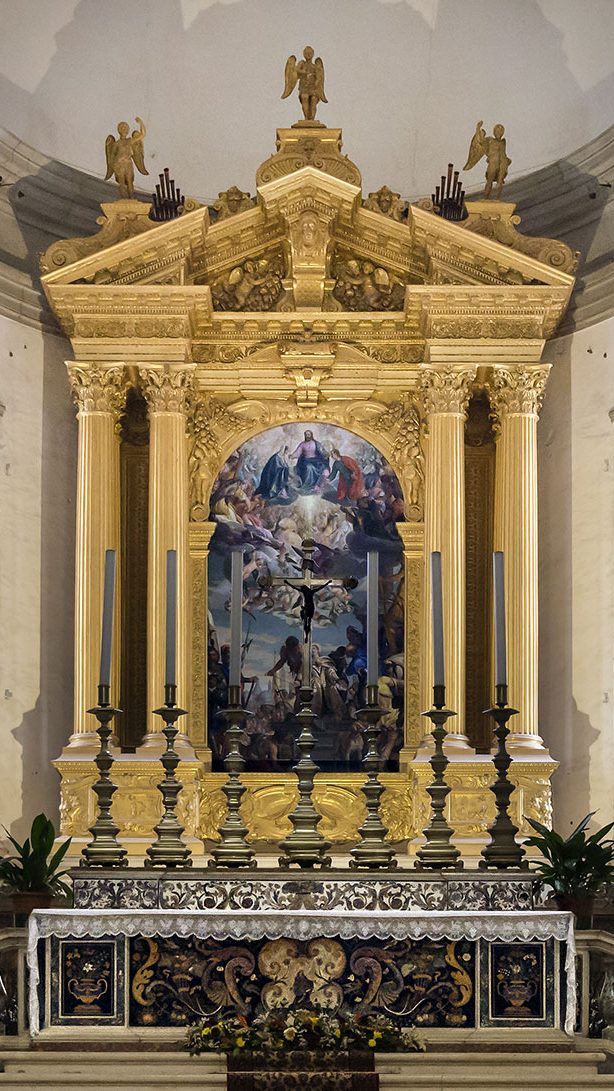
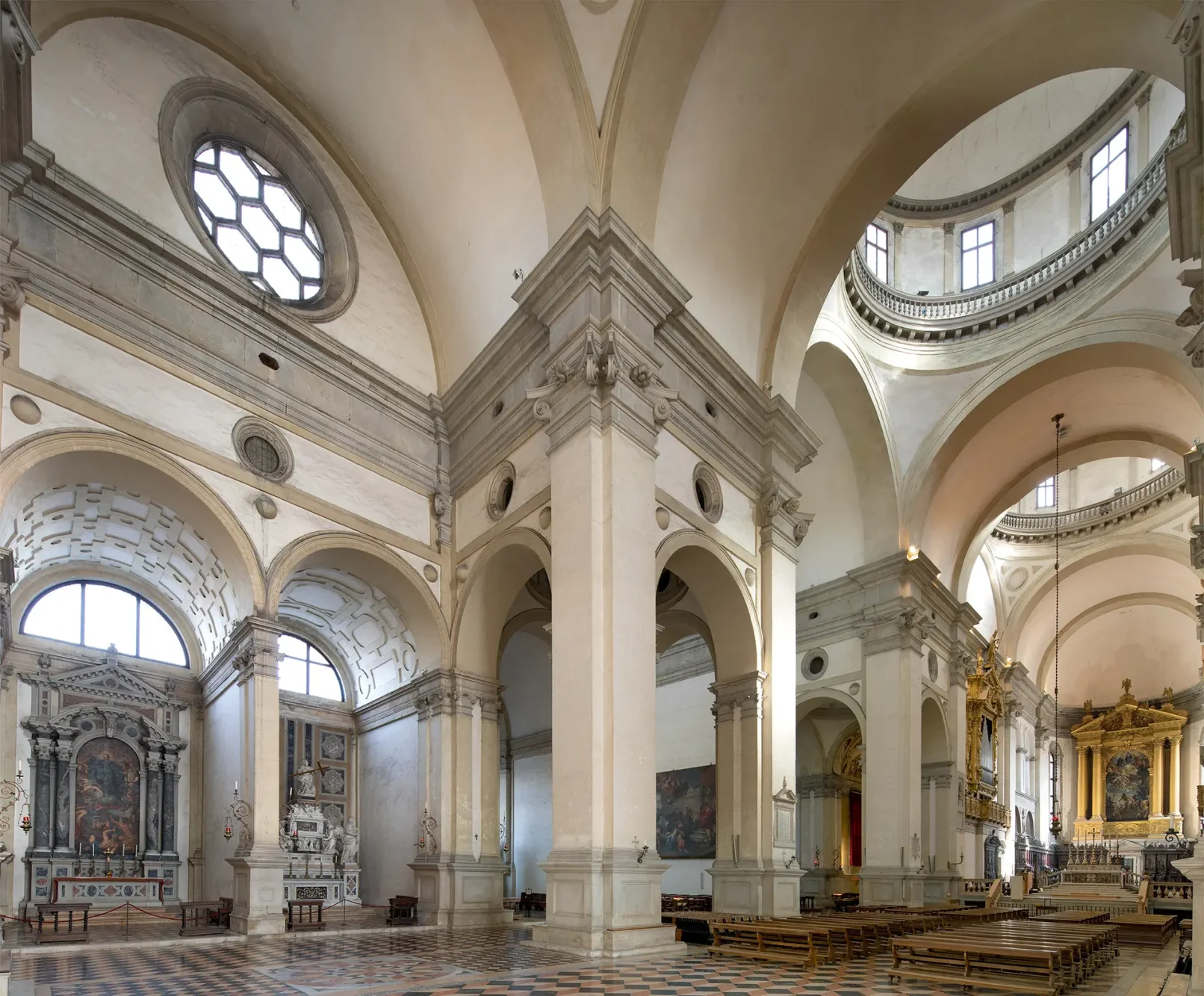
The vast and bright interior is divided by large pillars into three naves. It houses several masterpieces: from the enormous altarpiece depicting the martyrdom of Santa Giustina, painted by Paolo Veronese, to the splendid Mannerist wooden choir. Across the side aisles and the transept, there are twenty richly decorated chapels in total. Among them, we note the 14th-century Chapel of St. Luke, which also holds the tomb of Elena Cornaro Piscopia, and the Sacello (small votive chapel) of St. Prosdocimus, a precious example of early Christian architecture.
The Monastery and Library of Santa Giustina: A Journey Through History and Culture
Within the complex of the Abbey of Santa Giustina there is its ancient Benedictine monastery, founded before the year 1000. It is a place rich in charm, where spirituality and ingenuity have left a deep mark on Padua’s territory. The early monks not only devoted themselves to prayer but also transformed the surrounding marshes into fertile countryside, making a fundamental contribution to the area’s agricultural development.
Over the centuries, the monastery became an important cultural center, thanks to the establishment of an agricultural school in the eighteenth century and a prestigious laboratory for the restoration and transcription of ancient books.
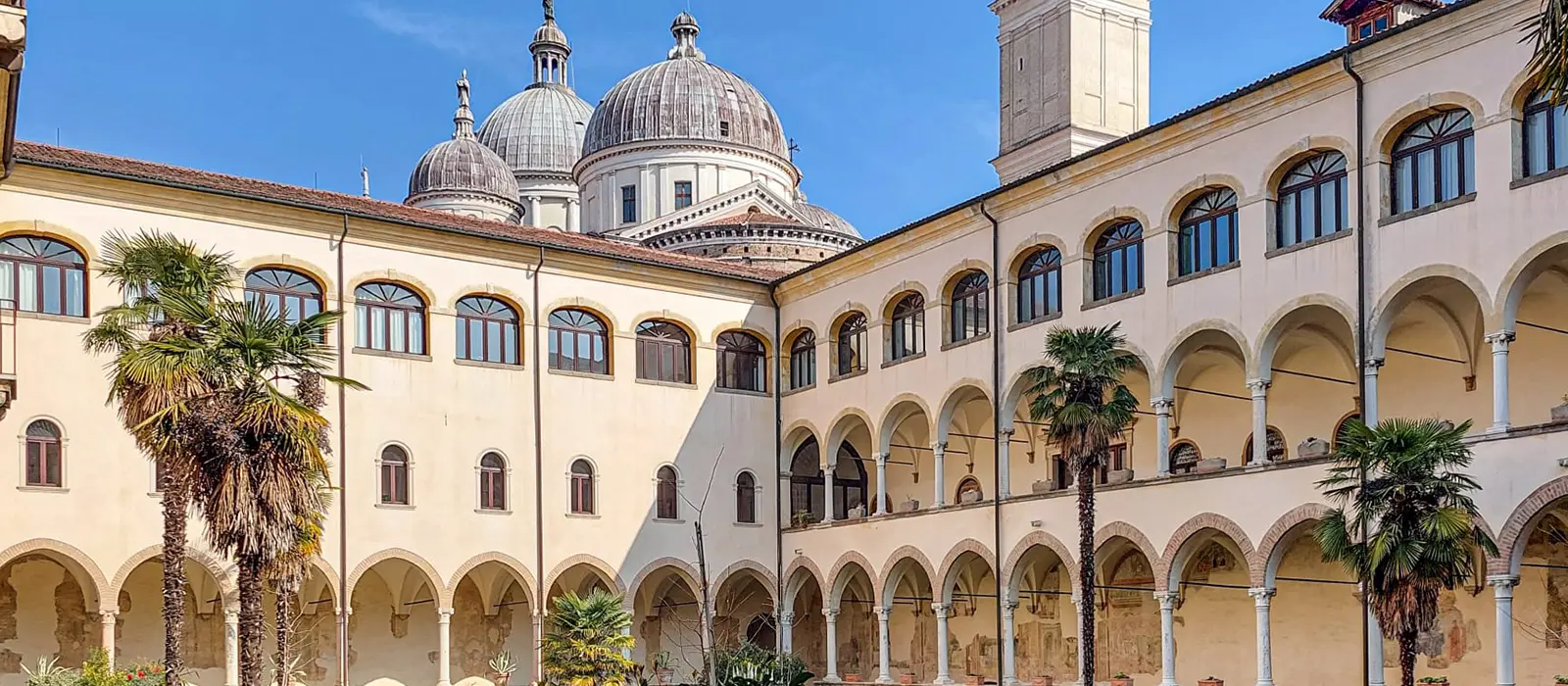
After an interruption due to the Napoleonic suppression in 1810, monastic life began to flourish again in 1919 thanks to the Benedictines of the Abbey of Praglia, who began the work of recovering and revitalizing the complex. Of particular interest to visitors is also the State Library of Santa Giustina , now a national monument. The result of centuries of study and exchanges with the University of Padua and major European scholars, the library preserves about 80,000 volumes, including manuscripts, antique books, and rare works. A true treasure for lovers of history, art, and culture.
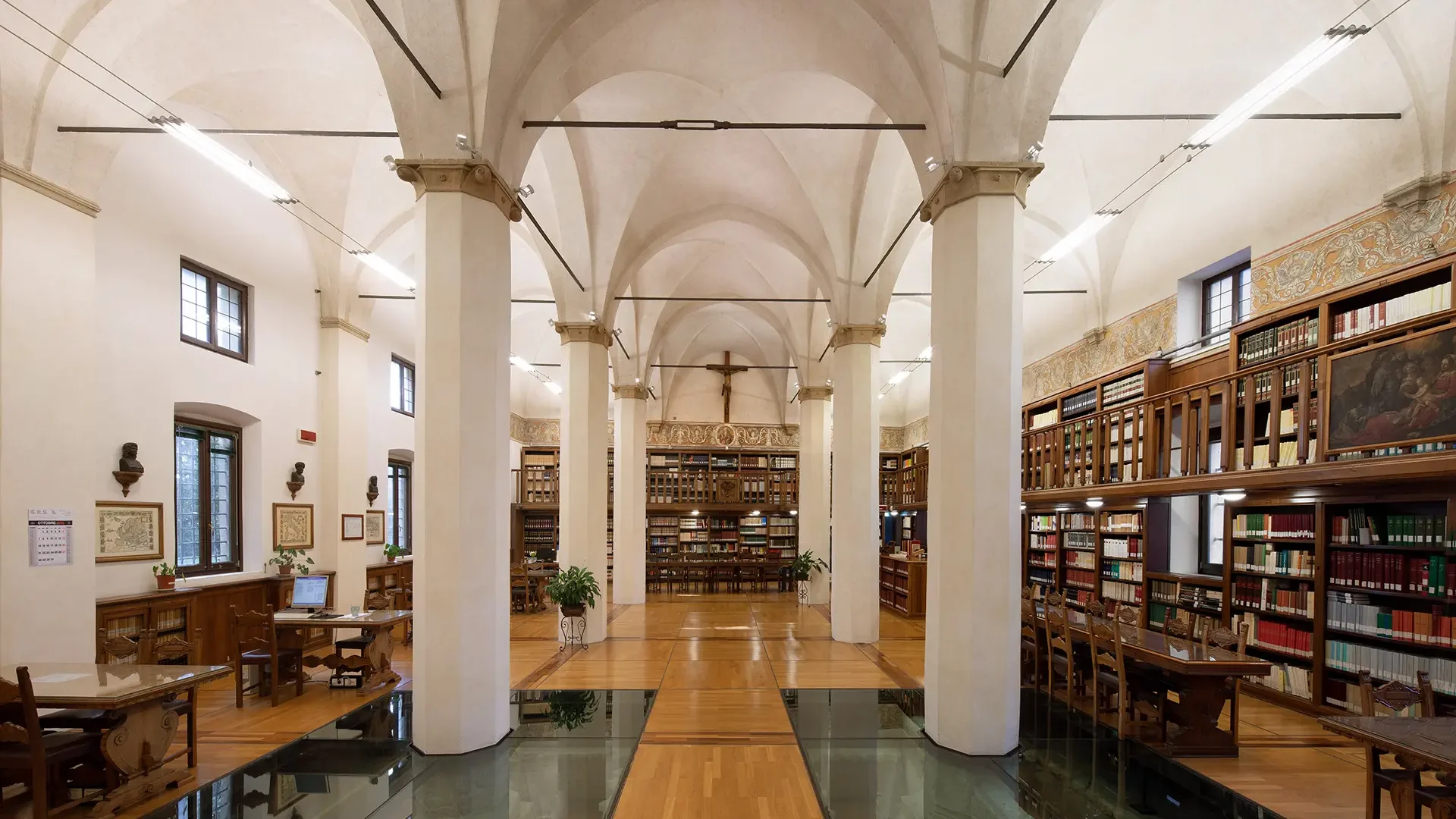
Visiting the monastery and the library means taking a step back in time, to a place where knowledge is carefully preserved and continues to live on.
Did you know there is a shop inside the Basilica where you can buy the monks’ products?
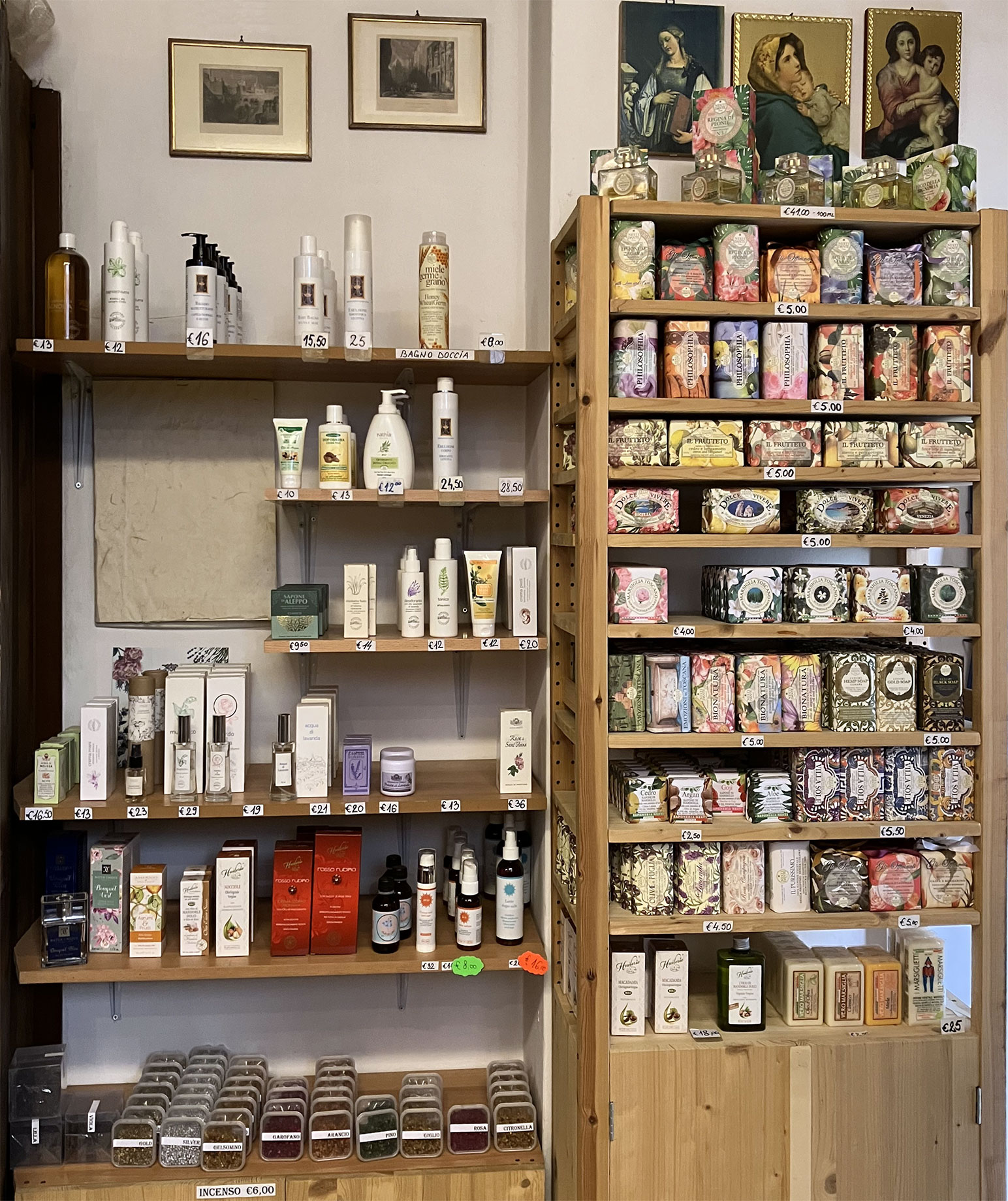
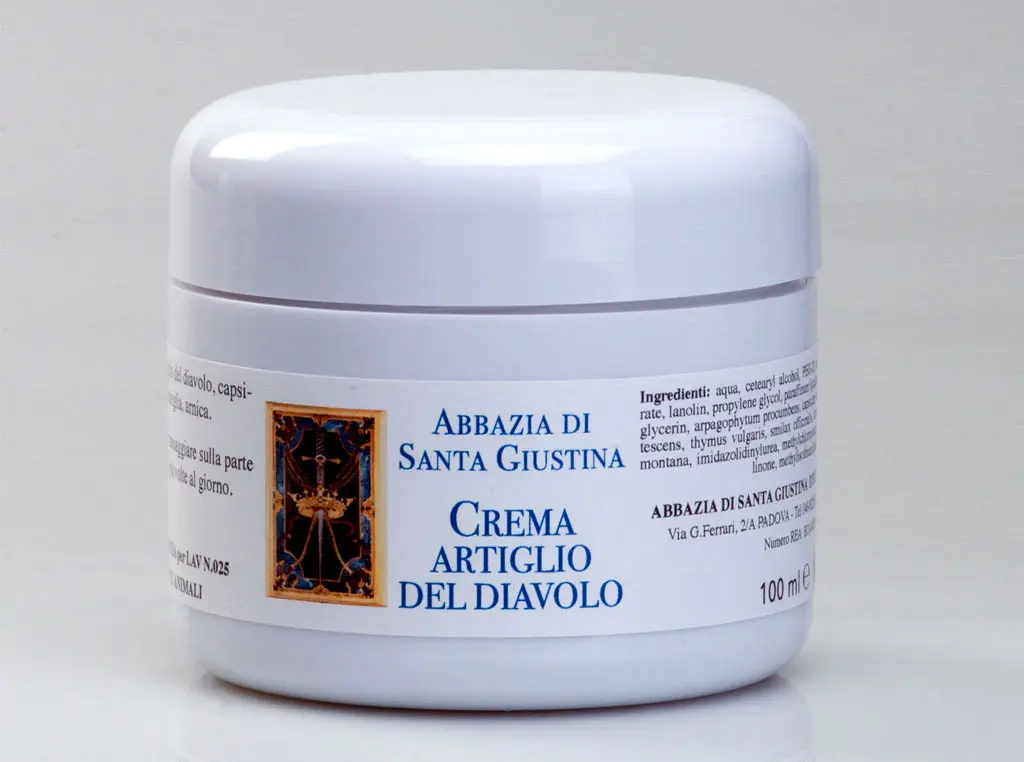
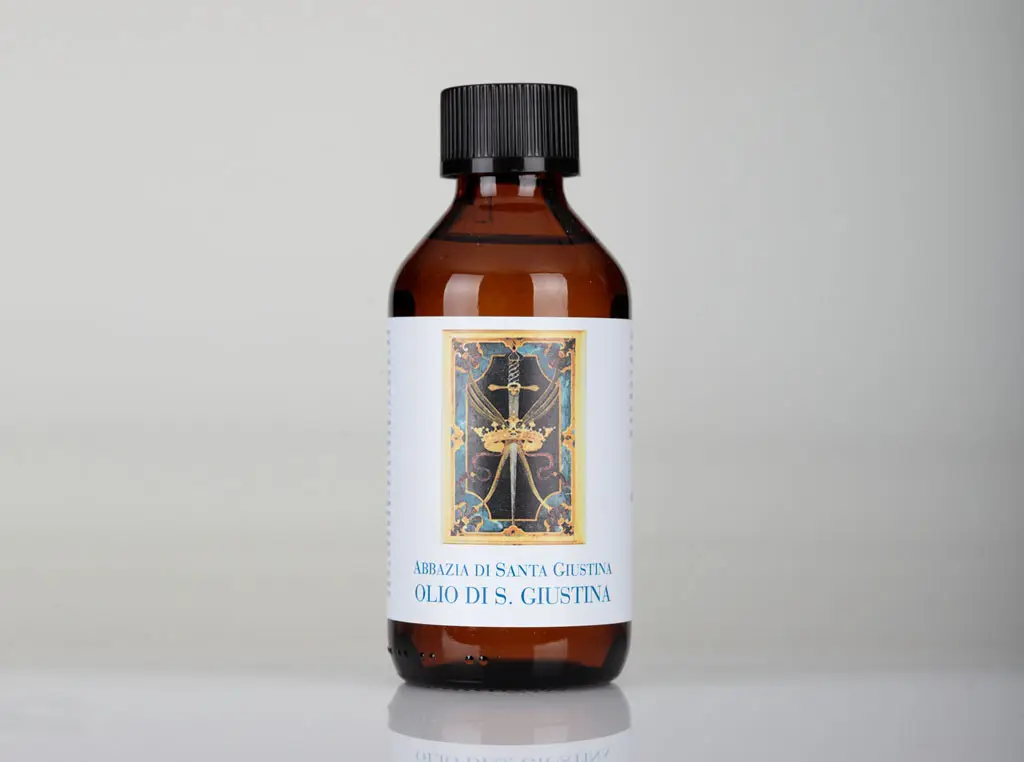
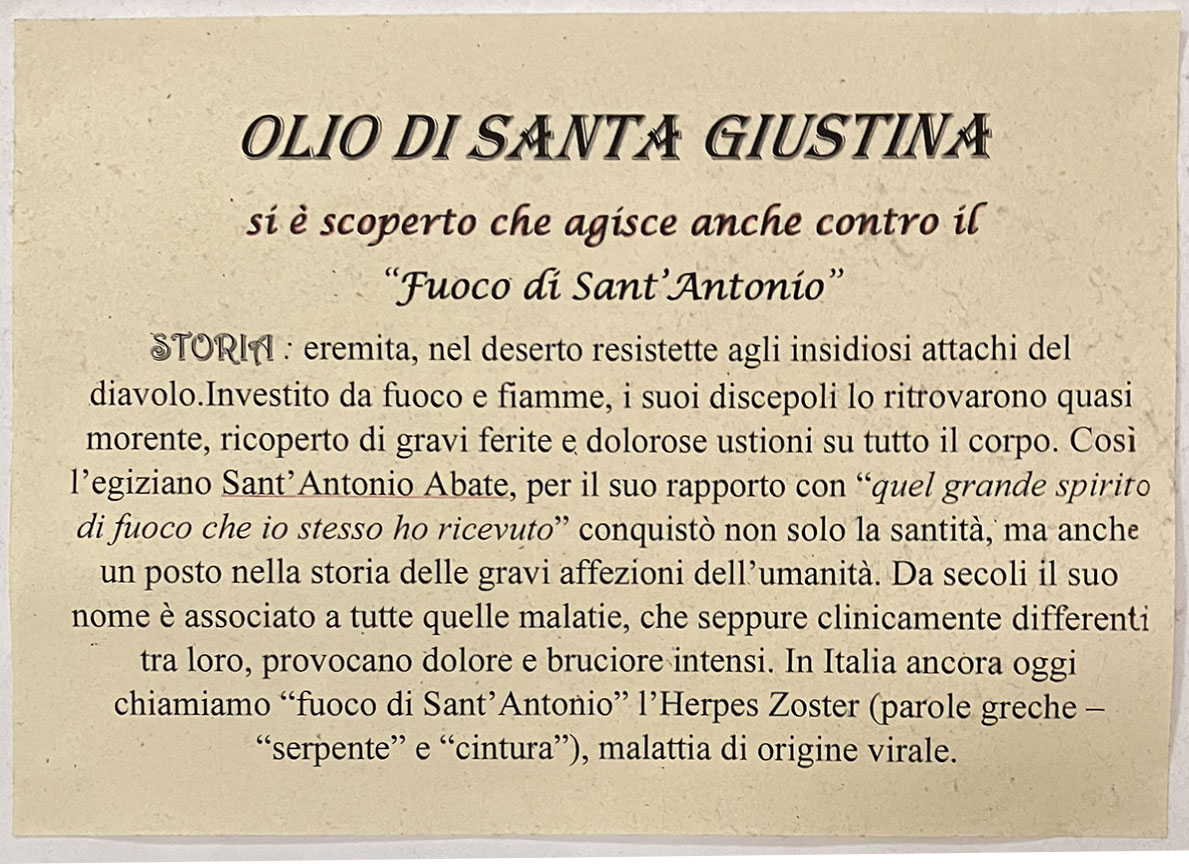
Once inside the basilica, proceed to the right, following the signs for the Pozzo dei Martiri (Martyrs’ Well), at the end of the South transept. Here you will find a small shop on your left. It is the sales point for products made by the monks according to a thousand-year-old tradition: they have always been dedicated to beekeeping and herbalism, preparing exclusively natural products. You will find creams, herbal teas, jams, grappas, a large quantity of natural and wonderfully fragrant soaps, and the famous honey. But above all, an ancient cure-all: the Oil of Santa Giustina – a blend of active ingredients and essential oils, used to relieve muscles and joint pain, calm anxiety, and even ease tension headaches. Finally, there are the DOC wines from the ancient courts of Santa Giustina (Merlot, Cabernet, Raboso, etc.).

A Charming Rose Garden Off the Tourist Trail
Just a short walk from the basilica, at Via Sanmicheli 65, you will find the Roseto di Santa Giustina (Rose Garden of Santa Giustina).
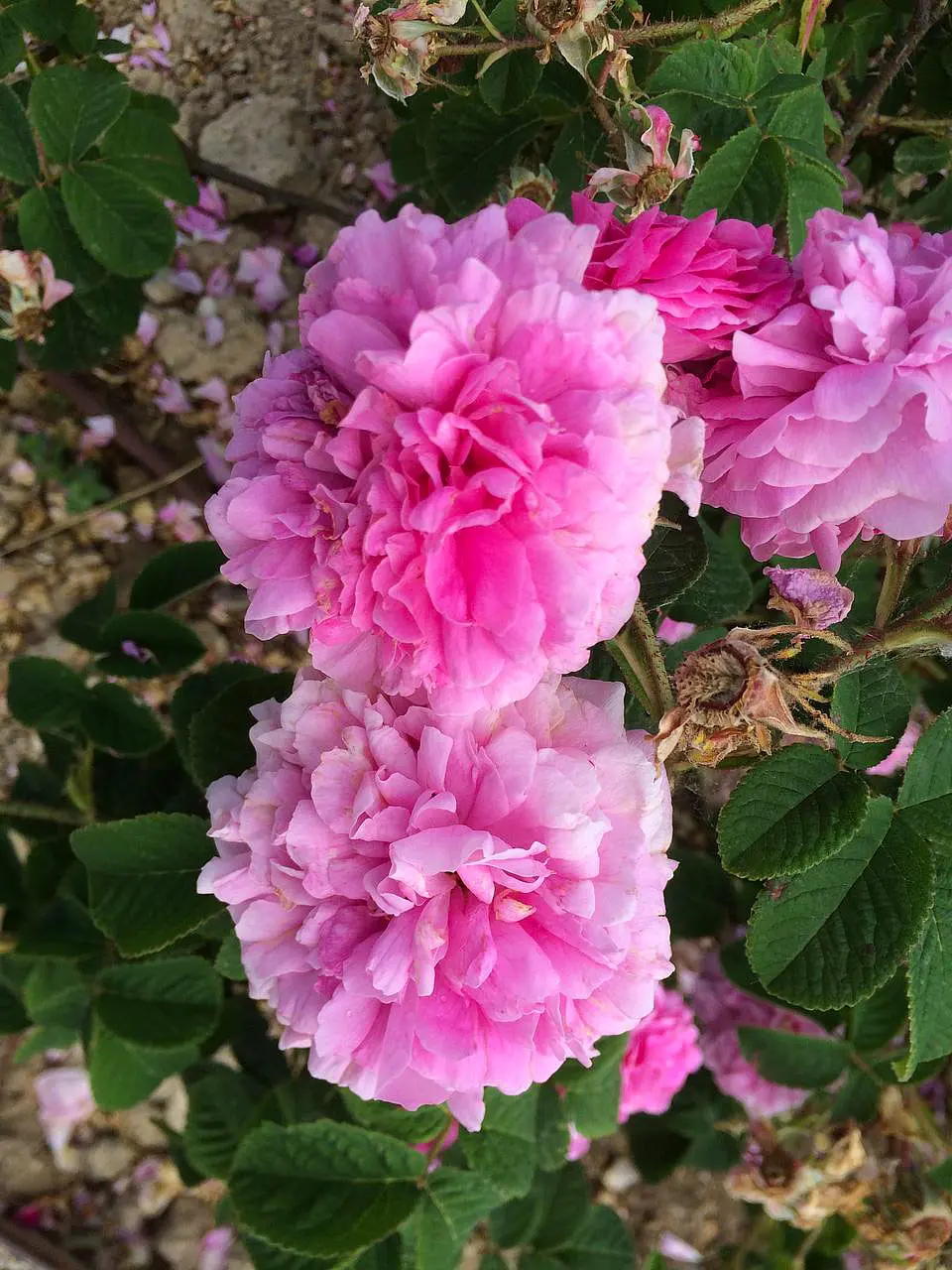
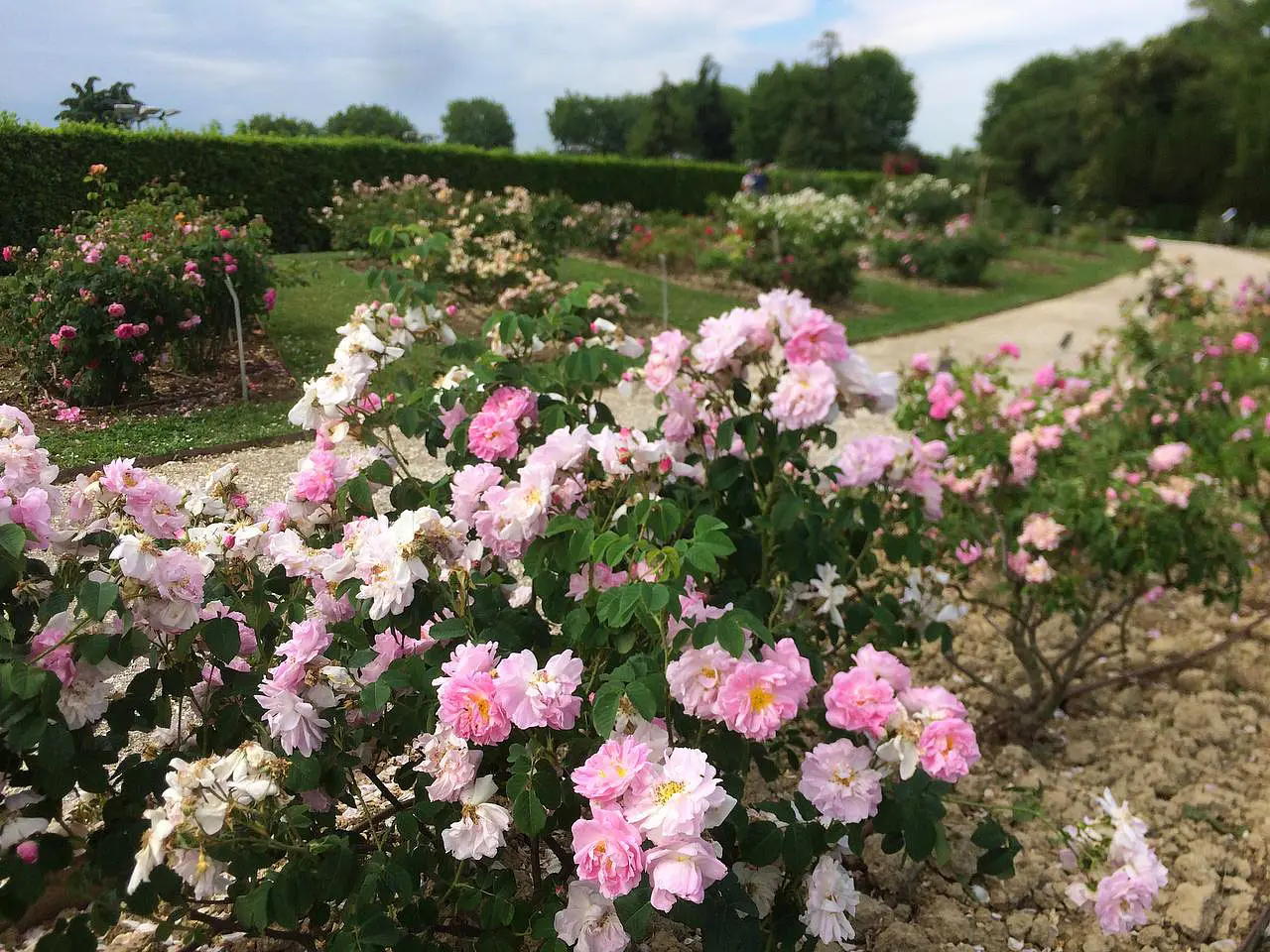
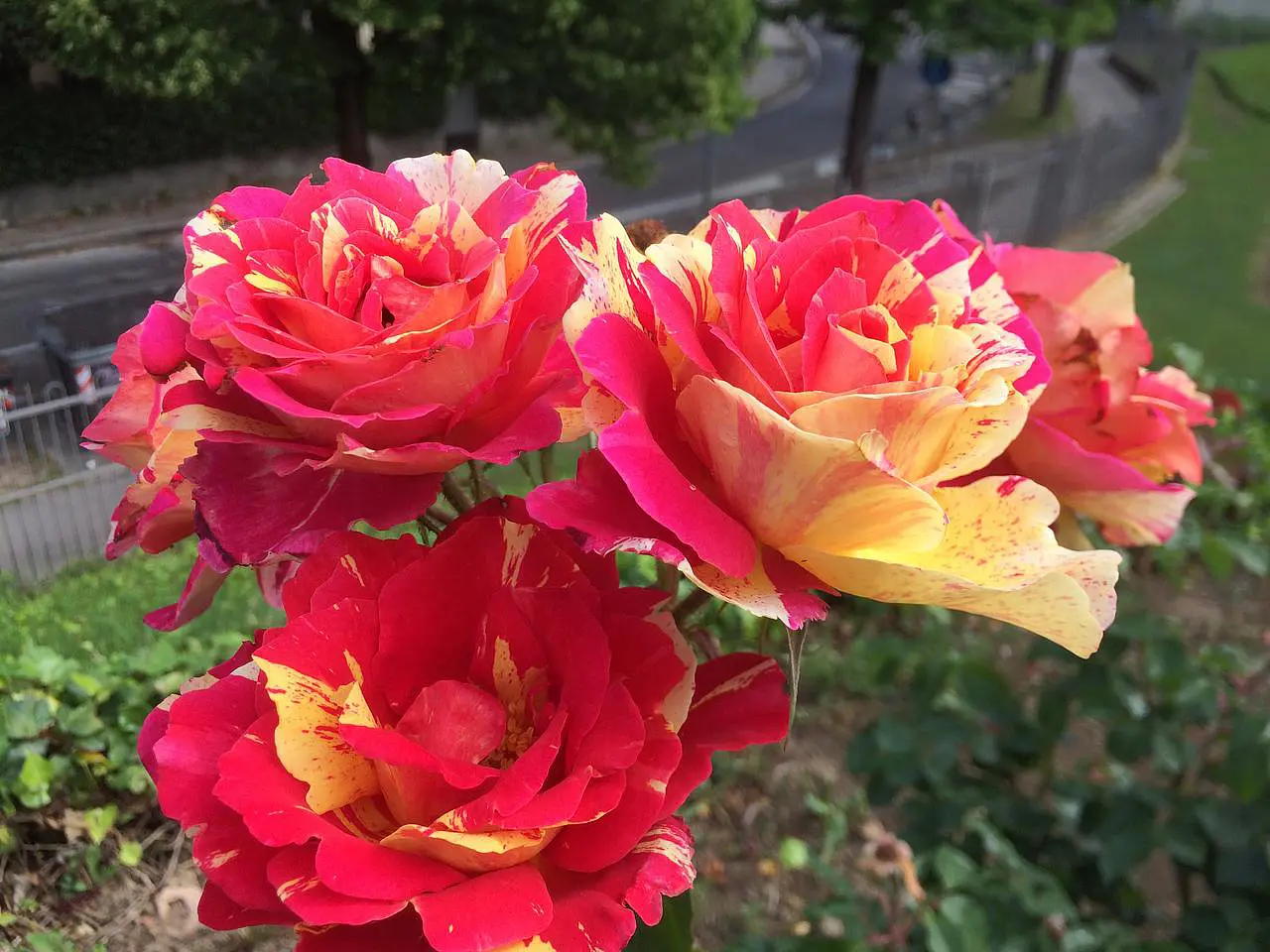
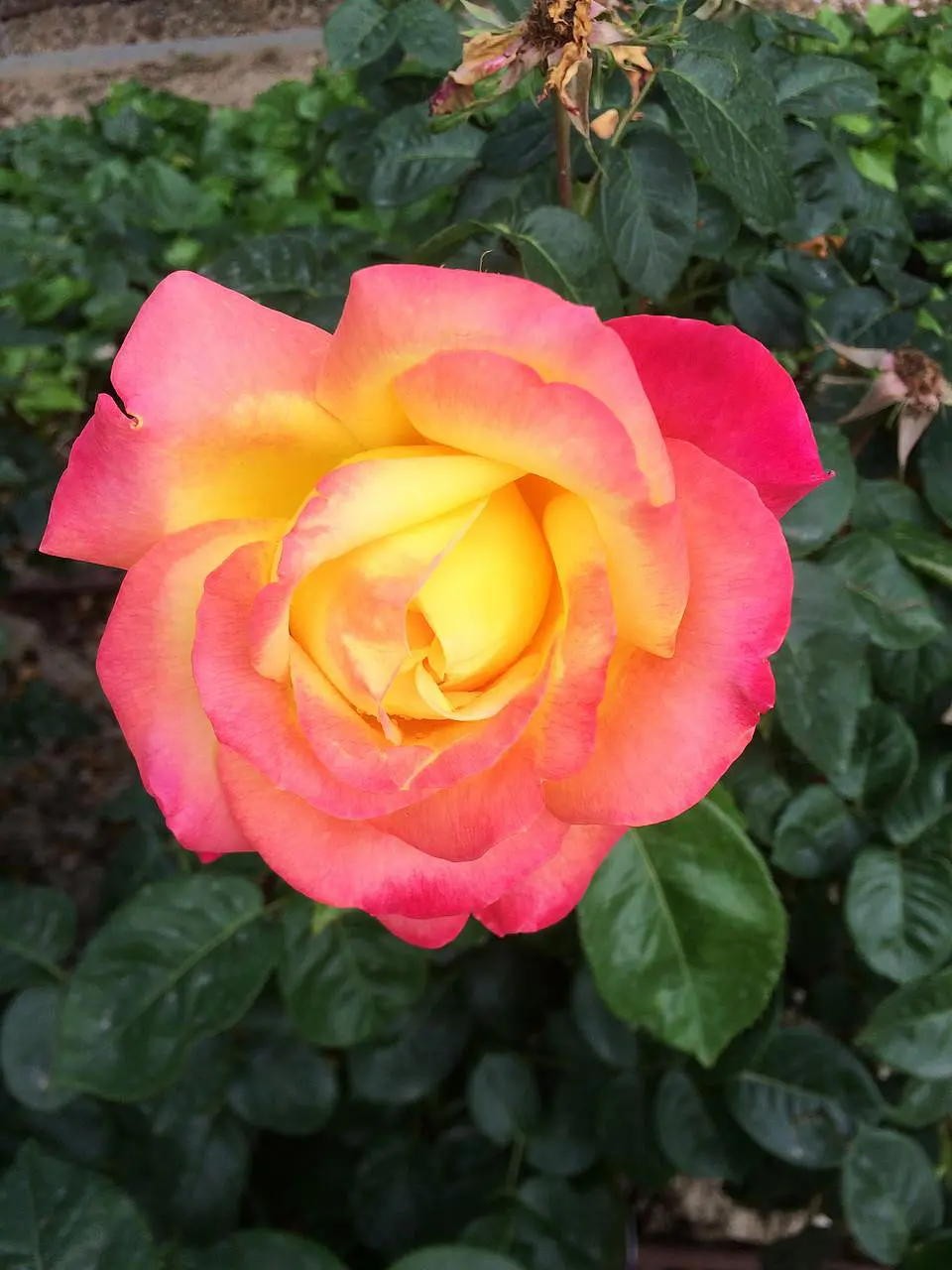
This is a charming municipal garden off the traditional tourist routes, a space of nature and peace that hosts about one hundred varieties of roses differing in scent, shape, and color. They are arranged according to a thematic order that allows visitors to appreciate their characteristics.
The rose garden stretches along the Bastion of Santa Giustina, beside the ancient 16th-century walls. It is divided into two sections: one dedicated to a sensory path aimed at stimulating all the visitor’s senses, from taste to smell. The other is dedicated to the history of ancient and modern roses, both in Italy and abroad. Here you will find roses of various nationalities, roses dedicated to famous people who lived in Veneto—such as Saint Anthony or Beatrice d’Este—and specific itineraries, such as the history and evolution of the rose, or the one dedicated to the “Top ten roses” according to the American classification.
This year, the Municipality of Padua has organized a series of free guided tours enriched with literary and artistic notes.
At the entrance of the rose garden you will be welcomed by the Banksia rose, with shades of white and yellow, and its cloud of scents and colors. You will then discover many varieties of ancient and modern roses, including Chinese ones and the beautiful “Queen of the Musk,” with its small clusters of light pink and cream flowers and unmistakable fragrance.
To book a visit to the rose garden
(+39) 351 4373404
from 2:30 PM to 4:30 PM.
Photo via:
fantalica.com
abbaziasantagiustina.org
sharry.land