
A VERY SPECIAL SURVEY
Elena Cornaro Piscopia is the winner of the online survey conducted in October-November 2024 in Padua. The purpose of the survey was to determine which illustrious female figure Padua would dedicate a statue to, to be placed in the heart of the city, in front of Caffè Pedrocchi.

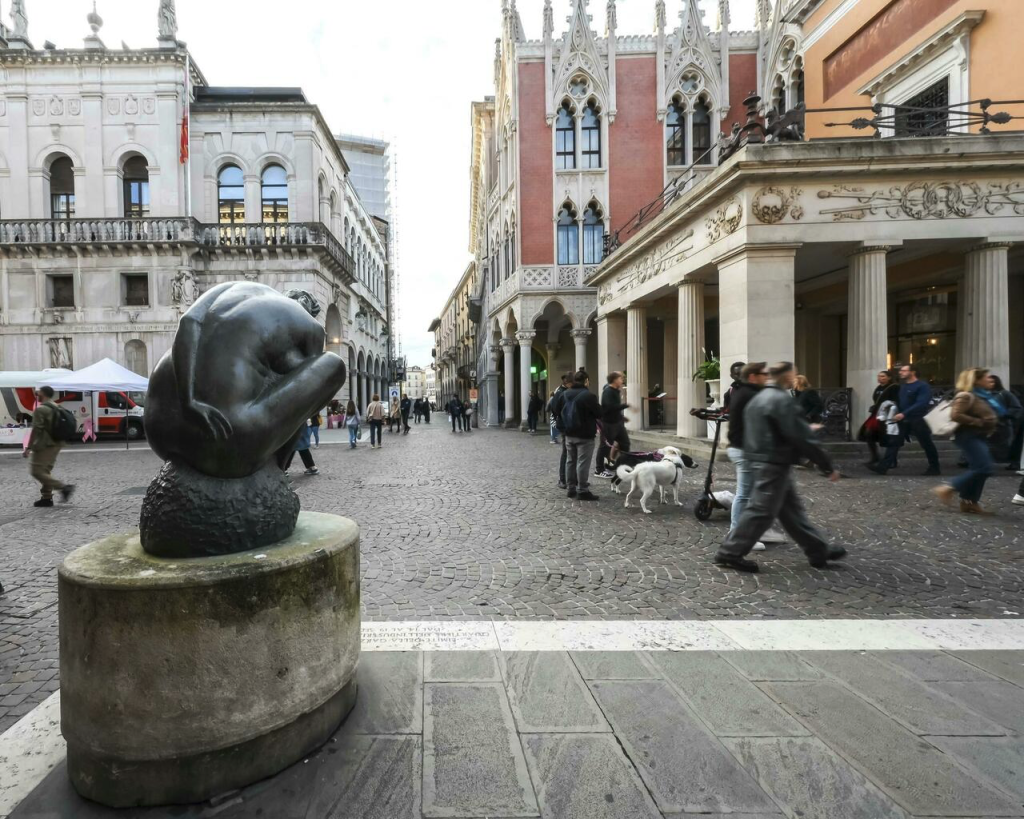
The preferences of the Paduans went to Elena Lucrezia Cornaro Piscopia (1646–1684), the first woman in the world to earn a degree in 1678, right at the University of Padua.
THE CANDIDATES
The choice was among six candidates, who lived between the 14th century and the present day, and who left a significant mark on Padua. Alongside Piscopia, the nominees were:
- Massimilla Baldo Ceolin (1924–2011): the first woman to hold a chair in Advanced Physics at the University of Padua.
- Gualberta Alaide Beccari (1842–1906), an activist and writer.
- Sibilia de Cetto (1350–1427), a noblewoman and philanthropist who founded the San Francesco Grande Hospital in Padua.
- Fina Buzzaccarini (1328–1378), who commissioned the restoration of the Baptistery of the Cathedral, later frescoed by Giusto de’ Menabuoi.
- Vittoria Aganoor Pompilj ((1855 – 1910), poetessa.
THE INITIATIVE
The initiative was born three years ago from a motion presented by city councilors Margherita Colonnello and Simone Pillitteri. The motion aimed to place a statue of a woman in Prato della Valle, near the seventy-eight statues all dedicated to male figures.
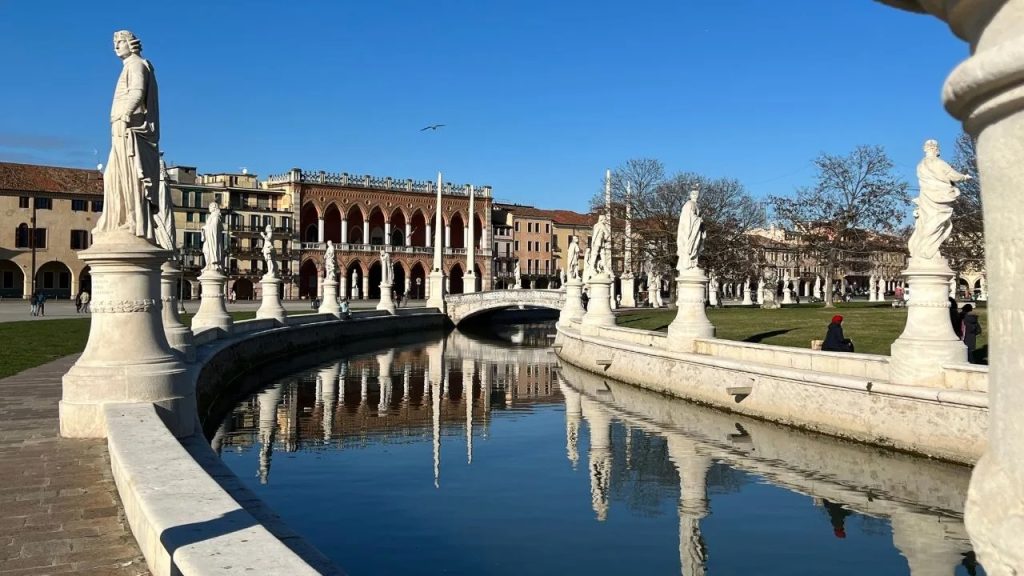
The proposal was rejected for a specific reason: in the past, statues of two Venetian doges stood on the two empty pedestals along the Isola Memmia. In the 18th century, the Napoleonic army tore down these statues, and the two empty pedestals remain as a testimony to the historical and political significance of that act.
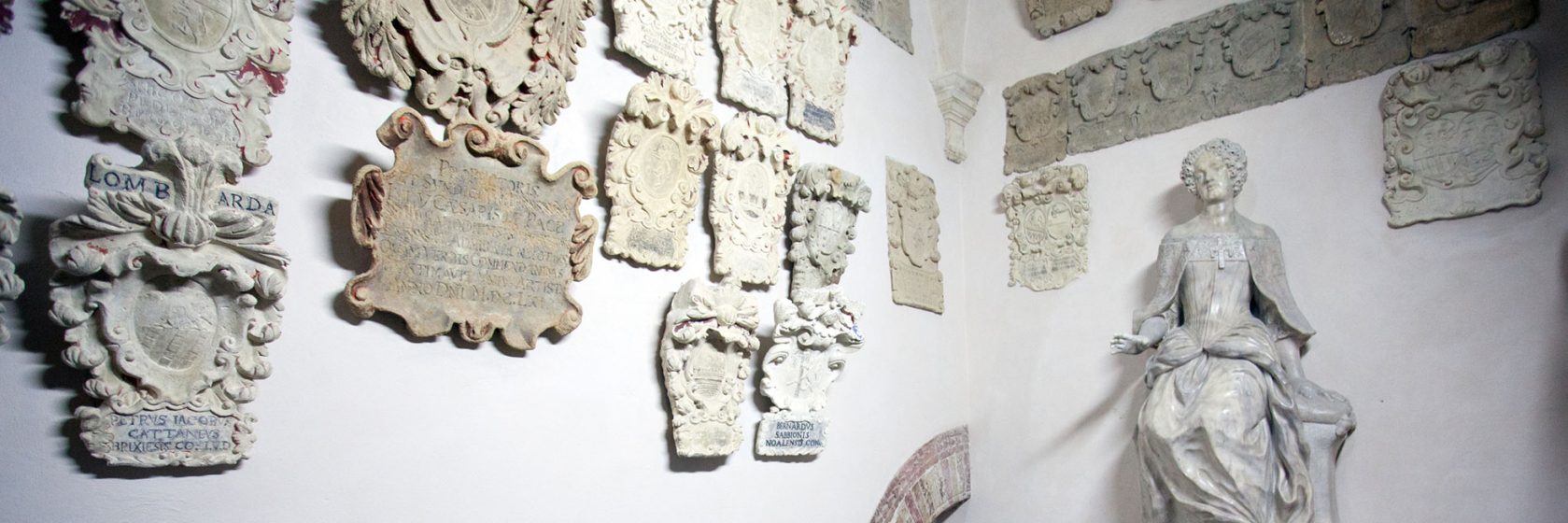
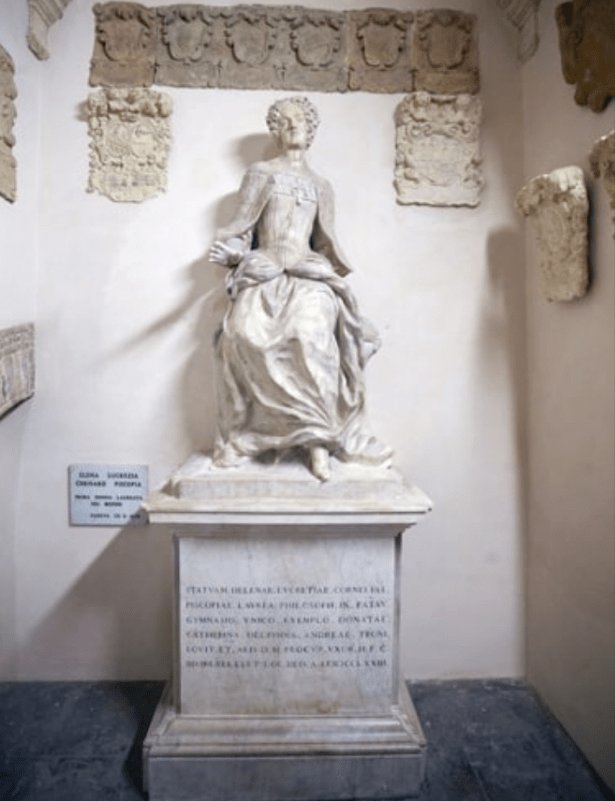
The choice of Elena Cornaro Piscopia, to whom Padua has already dedicated a statue in the Ancient Courtyard of its University, holds immense symbolic value. The intent is to give centrality to women in one of the city’s most prominent public spaces. The timeline for the statue’s creation has not yet been announced, but we will provide updates as soon as possible. Meanwhile, let’s delve into Elena’s story.
WHO WAS ELENA CORNARO PISCOPIA?
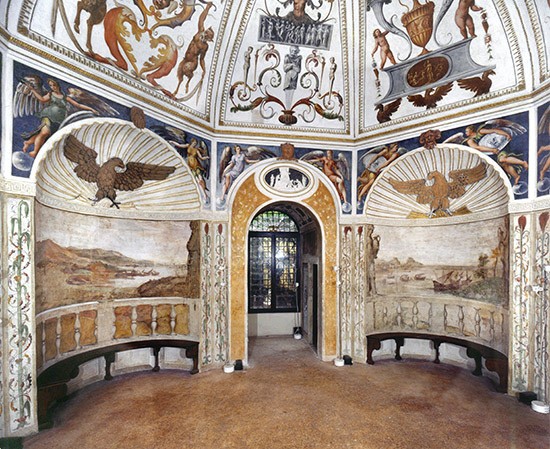
Elena belonged to the noble Venetian Cornaro family, which included Alvise Cornaro, one of the greatest patrons of the arts in 16th-century Padua. Alvise was passionate about literature, art, and theater, and his Paduan residence included the Loggia and the Odeo Cornaro, which we previously covered in an article on our website.
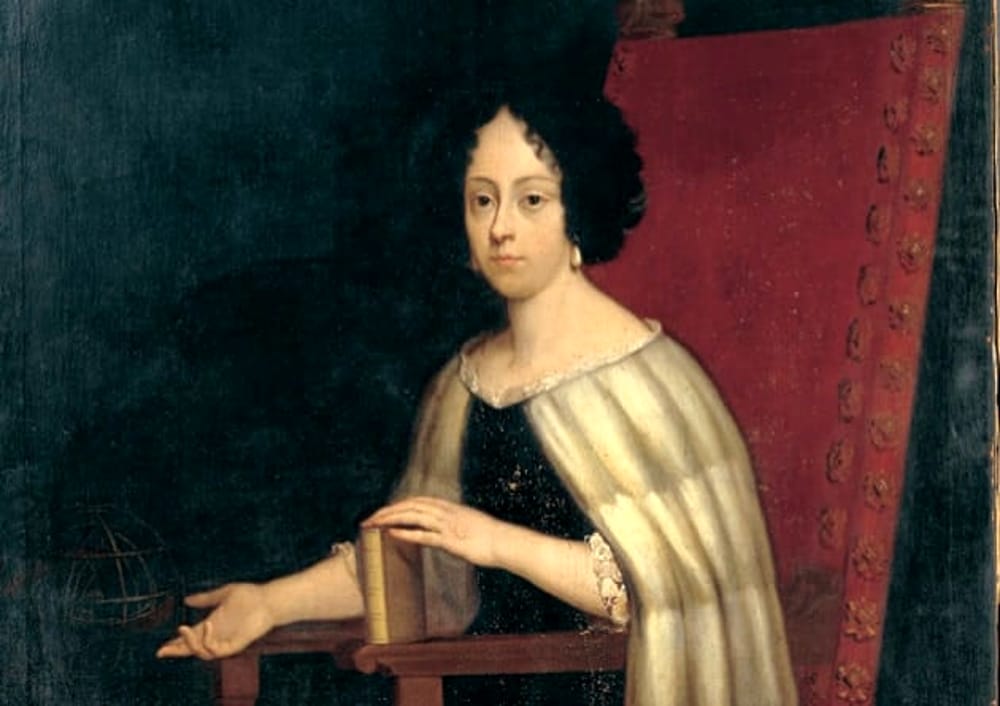
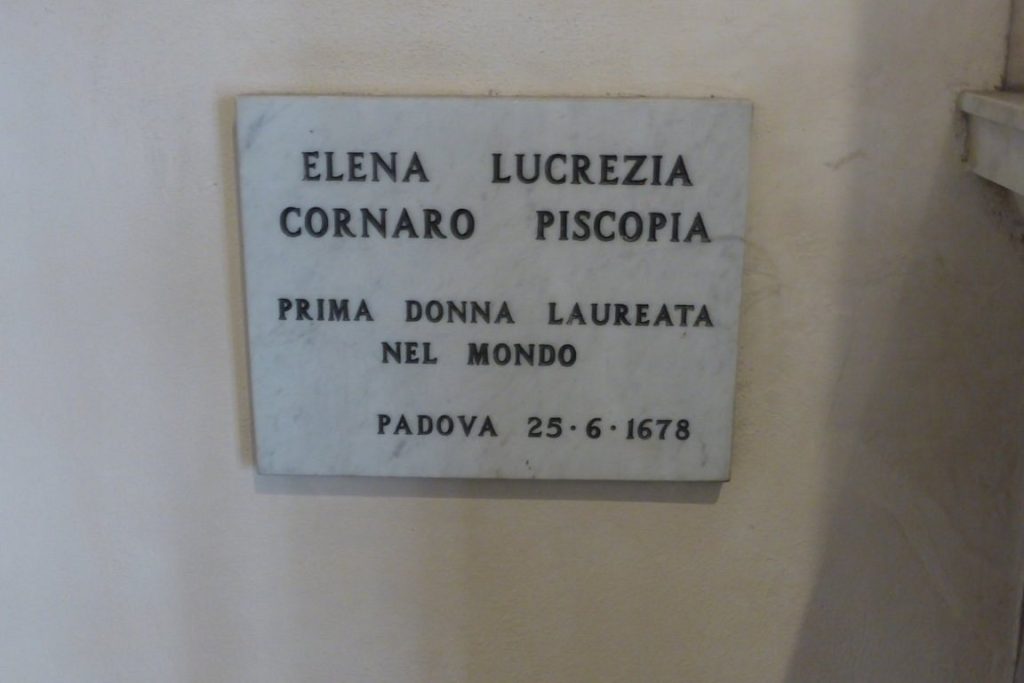
Elena was the first woman in the world to earn a degree: on June 25, 1678, she graduated in Philosophy with a thesis on Aristotle. This was an extraordinary event in a historical period when women were not even allowed to enroll in most European universities. Elena had exceptional talents: by the age of seven, she had already begun studying Greek and Latin. She later learned French, Spanish, Hebrew, and Aramaic to better understand the Bible. She was also an expert musician, playing the harp, harpsichord, and composing her own verses.
THE DEGREE IN PHILOSOPHY
When she began her university studies, Elena wanted to graduate in Theology, but the bishop of Padua, Gregorio Barbarigo, strongly opposed it. He argued that “it would be absurd to award a degree to a woman” and that it would “make us ridiculous in the eyes of the world.” In 1678, a compromise was reached: Elena would graduate in Philosophy, while Theology remained inaccessible to women. That’s why during the ceremony introducing her thesis defense, she was given an open book of philosophy and a closed book of theology. Despite being barred from attending lectures, she still received the same academic regalia as her male colleagues: the book, the ring symbolizing marriage to science, the ermine mantle, and the laurel crown, a sign of triumph.
After graduating, Elena, as a woman, was not allowed to teach. However, she was appointed as a member of the judging committee for Philosophy degrees: the only woman called to evaluate male students!
ELENA CORNARO PISCOPIA AND THE FEMININE HISTORY OF PADUA
The initiative to dedicate a statue to Elena Cornaro Piscopia has also helped to shed light on other significant female figures, paving the way for a broader recognition of women’s contributions to Padua’s history.
Placing her statue “in the heart of the square” will serve as a powerful symbol of female emancipation for the students of our university and for all Paduans. In an era when women’s right to education is still not guaranteed in some parts of the world, Elena’s legacy remains a vital and inspiring model.